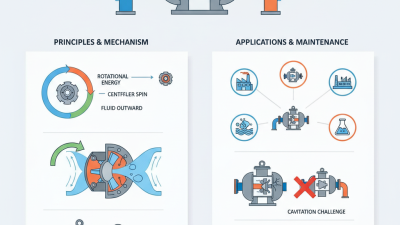
What Is a Chemical Pump and How Does It Work?
A chemical pump moves liquids that ordinary water pumps may not safely handle. These fluids can be corrosive, toxic, abrasive, highly viscous, or sensitive to temperature. The equipment must do more than create flow. It must protect workers, prevent leaks, and preserve the liquid’s intended properties.
At its core, a chemical pump converts mechanical energy into controlled fluid movement. A motor drives an impeller, diaphragm, gear set, or screw. That moving component creates pressure and pushes the liquid through pipes. Different designs suit different duties. A centrifugal pump may handle steady, high-volume transfer. A diaphragm pump can manage aggressive chemicals and accurate dosing. A magnetic-drive model reduces leakage risks by removing the traditional shaft seal.
The details matter.
Pump selection depends on viscosity, concentration, temperature, flow rate, pressure, and compatibility. Materials such as polypropylene, PVDF, stainless steel, and specialized alloys each have limits. A material that survives one chemical may fail quickly with another mixture. That small mistake can become an expensive failure.
Machinery reliability authority Heinz P. Bloch is widely associated with the principle, “Reliability is not an accident.” The idea fits chemical pump service closely. Reliable operation comes from correct sizing, proper installation, regular inspection, and realistic maintenance planning. Operators should check vibration, unusual noise, seal condition, discharge pressure, and changing flow. These signs are easy to overlook.
This guide explains what a chemical pump is, how it works, and why pump type matters. It also examines common components, operating principles, safety considerations, and selection challenges. Some systems appear simple. They are not always. Even experienced teams must question assumptions, verify chemical data, and accept that no pump performs perfectly in every application.
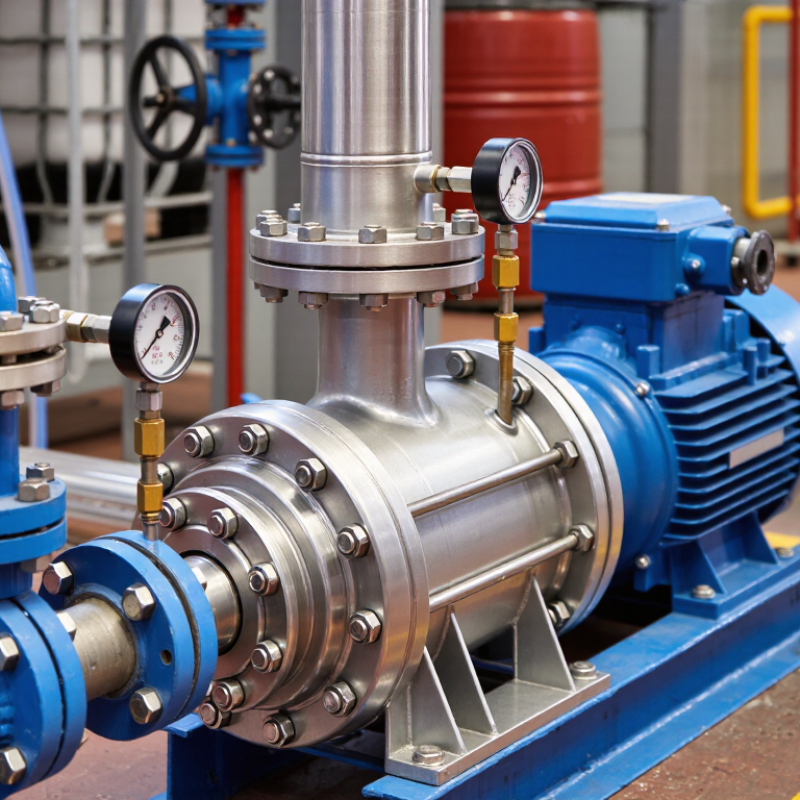
What a Chemical Pump Is and What It Is Designed to Do
What Is a Chemical Pump and How Does It Work?
A chemical pump is equipment designed to move, meter, or circulate chemical liquids through a controlled system. It may transfer cleaning solutions, acids, solvents, or treatment fluids between tanks and process lines. The pump’s real purpose is not simply to create flow. It must deliver the required volume while resisting corrosion, leakage, and pressure changes.
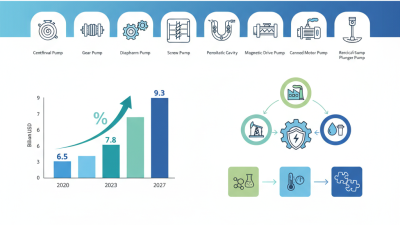
Chemical pumps commonly use a diaphragm, magnetic drive, gear, or centrifugal mechanism. A diaphragm pump moves liquid through repeated membrane movement, while a centrifugal pump uses a rotating impeller. The selected design depends on viscosity, temperature, concentration, flow rate, and discharge pressure. Material compatibility matters just as much. A metal body may perform well with one liquid but fail quickly with another.
Reliable operation begins with careful system matching. Operators should check seals, valves, tubing, and connection points before starting the pump. Small leaks can damage equipment and create unsafe working conditions. Flow should also be measured, not guessed. That detail is easy to overlook. In practice, no pump selection is perfect without real operating data. Viscosity can change with temperature, and an apparently suitable pump may underperform after installation. Regular inspection, controlled pressure, and documented maintenance help keep chemical transfer stable and predictable.
The Main Components of a Chemical Pump
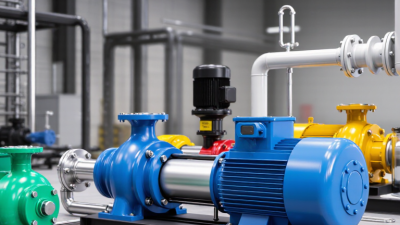
A chemical pump transfers liquids through controlled pressure and flow. Its main components determine safety, efficiency, and service life. In a centrifugal design, the casing directs liquid around the impeller. The impeller adds velocity, while the volute converts velocity into pressure. The shaft carries torque from the motor. Bearings support rotation and limit vibration. Small details matter.
The suction nozzle, discharge nozzle, valves, and strainers control the liquid path. A mechanical seal prevents leakage around the rotating shaft. For aggressive or toxic fluids, a magnetic coupling or canned motor can remove the exposed shaft seal. Materials must match the liquid’s chemistry, temperature, viscosity, and solids content. Stainless steel is not automatically suitable. Fluoropolymers may resist some acids, but temperature limits remain important.
The U.S. Department of Energy’s Improving Pumping System Performance sourcebook estimates that pumping systems consume nearly 20% of industrial motor energy. The IEA’s Energy Efficiency 2023 report places industry near 37% of global final energy demand. That figure is not a pump rating. It shows why motor selection and hydraulic efficiency deserve attention. A practical inspection should check impeller clearance, bearing noise, seal temperature, and pressure readings. Even experienced teams can misread viscosity data at operating temperature. That assumption deserves a second check. An oversized pump may throttle continuously, wasting power and accelerating valve wear. An undersized unit may never reach the required flow. The control panel, sensors, and overload protection are also working components, not accessories.
Common Chemical Pump Types and Their Operating Principles
A chemical pump transfers liquids while controlling flow, pressure, and chemical exposure. Its design must match the fluid, temperature, concentration, and required flow rate. Materials matter too. A pump that handles diluted acid may fail quickly with a stronger solution. Seals, valves, and connection points often receive less attention than the motor.
Centrifugal pumps use a rotating impeller to increase liquid velocity and convert it into pressure. They suit continuous flow and low to medium viscosity liquids.
Diaphragm pumps use a flexible membrane that moves back and forth, creating suction and discharge cycles. They handle corrosive fluids, suspended particles, and accurate dosing. Many can tolerate brief dry running, but operating limits still require verification.
Gear pumps use two rotating gears to move fixed liquid volumes. Their steady displacement works well with oils, polymers, and other viscous chemicals. They need careful clearance control.
Magnetic-drive pumps transfer rotation through magnetic force, keeping the motor separated from the liquid. This reduces leakage risks because the shaft seal is removed. However, running one dry can damage internal parts quickly.
In plant practice, pump selection often starts with viscosity and compatibility, then examines pressure, flow, suction conditions, and maintenance access. No chart is perfect. A real fluid may foam, crystallize, or change viscosity during operation. That detail can overturn an otherwise sensible choice. Sampling the liquid and checking manufacturer performance data are practical safeguards.
Safety, Materials, and Selection Considerations
A chemical pump transfers liquid through controlled mechanical energy. A motor drives an impeller, diaphragm, or rotating gear. The pump increases pressure and maintains process flow. Centrifugal pumps suit steady, low-viscosity streams. Positive-displacement pumps handle dosing, thick liquids, and higher discharge pressures.
Containment is the main safety question.
A leak may attack workers, flooring, or nearby equipment within minutes. Seal-less magnetic-drive designs reduce shaft leakage, but they still require dry-running protection. Include pressure relief, secondary containment, emergency isolation, and compatible hoses. The U.S. Department of Energy reports that pumping systems can represent about 25% of industrial electricity use. Correct sizing therefore supports both safety and energy control (U.S. DOE, Improving Pumping System Performance).
Material selection needs process data, not guesswork. Confirm concentration, temperature, viscosity, solids, vapor pressure, and cleaning chemicals. Stainless steel may resist many dilute fluids, yet chlorides can cause localized corrosion. PTFE offers broad chemical resistance, while PVDF often suits corrosive aqueous service. Neither material is universally safe. Check permeation, swelling, abrasion, and temperature limits in the supplier’s technical data. ISO 5199 and API 685 provide useful design and containment references for industrial pumps. Field experience matters too. A pump can pass a laboratory compatibility chart and fail after months of cycling. That uncomfortable gap deserves review.