What is an industrial centrifugal pump and how does it work?
Industrial centrifugal pumps are vital in numerous applications. They efficiently transfer fluids, ensuring reliable operations across various industries. According to Dr. Emily Mercer, a renowned expert in fluid dynamics, "Industrial centrifugal pumps are the backbone of fluid management in manufacturing." Her insight highlights their importance in ensuring processes run smoothly.
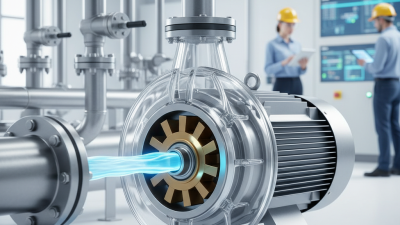
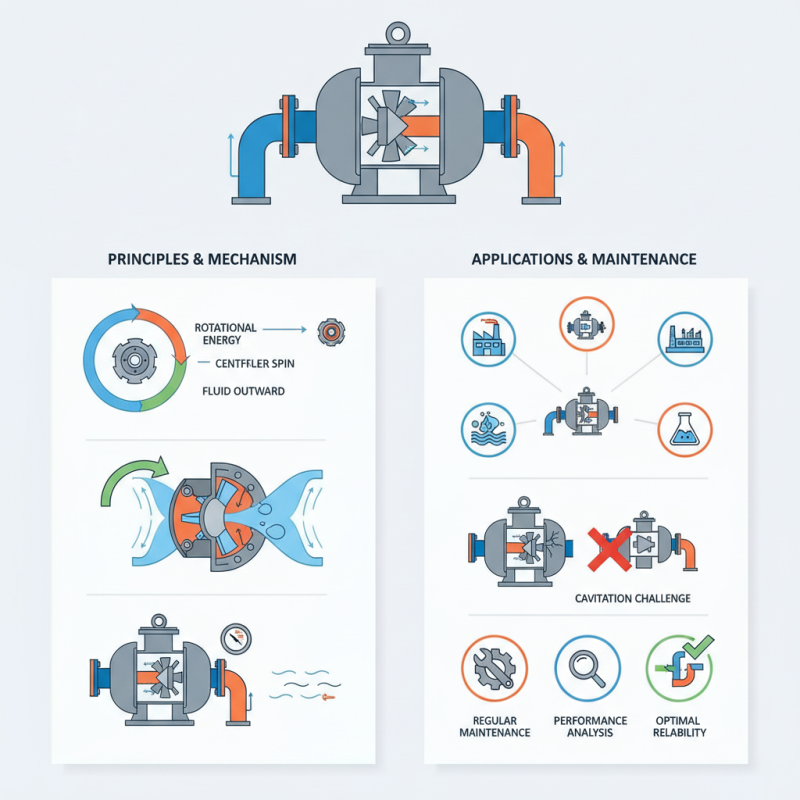
These pumps operate based on a simple yet effective principle. They convert rotational energy into fluid movement. The impeller spins, creating a centrifugal force that pushes the fluid outward. This basic design has been refined over years, yet challenges remain. For example, cavitation can impede efficiency and damage components. Understanding these nuances helps engineers design better systems.
In the world of industrial centrifugal pumps, knowledge is key. Experts continually analyze performance and identify weaknesses. Regular maintenance is crucial for optimal operation. While these pumps are highly efficient, they are not infallible. Addressing potential issues can lead to significant improvements and reliability in fluid management.
What is an Industrial Centrifugal Pump?
An industrial centrifugal pump is a vital component in various manufacturing processes. It is designed to transport liquids efficiently through a system. These pumps operate based on rotational energy. The impeller spins, creating a low-pressure area that draws liquid into the pump. According to recent industry reports, centrifugal pumps account for approximately 80% of the global pump market due to their versatility and effectiveness.
In many sectors, including water treatment and chemical processing, these pumps are preferred for their low maintenance requirements. They can handle a wide range of flow rates and pressure levels. However, it’s worth noting that their efficiency decreases when pumping highly viscous fluids. A study by the Hydraulic Institute highlighted that improper sizing and installation could lead to performance loss and increased energy consumption.
Furthermore, industrial centrifugal pumps are not foolproof. They can be susceptible to cavitation, a phenomenon that can cause damage and reduce lifespan. Addressing this issue requires a good understanding of fluid dynamics and system design. Users must consider these factors to improve reliability and performance. Regular monitoring and maintenance are crucial to ensure that these pumps function effectively and to mitigate potential failures.
Key Components of a Centrifugal Pump
Centrifugal pumps are vital in industrial settings. Their design is straightforward, yet their function is complex. Key components significantly affect performance. The impeller is one of the most crucial parts. It rotates at high speeds, imparting kinetic energy to the fluid. This rotation creates pressure and moves the liquid towards the pump's discharge.
Another essential component is the casing. The casing houses the impeller and directs the flow. It also helps maintain pressure within the system. The volute or diffuser transforms kinetic energy into pressure energy as the fluid exits the pump. The choice of materials for these components impacts durability and efficiency.
Seals are often overlooked but are crucial. They prevent leaks and contamination. Also, bearings support the rotating shaft and ensure smooth operation. Regular maintenance of these components is vital for optimal performance. Neglected parts can lead to inefficiency or failures. It's important to reflect on how each part interacts within the mechanical system. Understanding these components can enhance troubleshooting efforts in industrial applications.
How Centrifugal Pumps Operate: The Working Principle
Centrifugal pumps are vital in many industries, using a simple yet effective mechanism. A rotating impeller within the pump creates a centrifugal force. This force accelerates the fluid and pushes it outward through the pump casings. The design enables efficient fluid movement, even for thick liquids.
When in operation, the fluid enters the pump through the inlet. As the impeller spins, it increases the fluid's velocity. According to a report by the Hydraulic Institute, around 80% of all pumps sold worldwide are centrifugal. This highlights their significance in various applications, from water supply to petrochemical processing.
However, the working principle isn't flawless. Issues like cavitation can occur if the pump intake pressure drops too low. This leads to vapor bubbles forming, which can cause damage. System design and maintenance practices must address these challenges. Regular monitoring can help ensure optimal performance and longevity of the pump, reflecting the need for a deep understanding of operational conditions.
Centrifugal Pump Efficiency by Flow Rate
This bar chart illustrates the efficiency of an industrial centrifugal pump at various flow rates. As the flow rate increases, the efficiency peaks at 200 L/min before gradually declining, indicating optimal performance around that flow rate.
Applications of Industrial Centrifugal Pumps
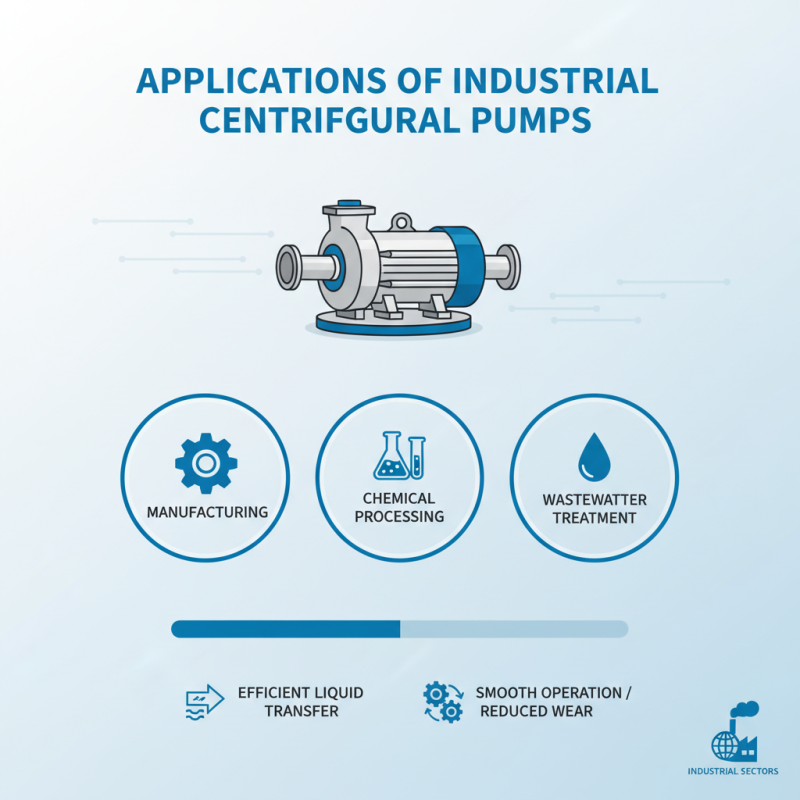
Industrial centrifugal pumps are versatile machines used in various applications across multiple sectors. These pumps excel at moving liquids efficiently. They are commonly found in manufacturing, chemical processing, and wastewater treatment plants. Their design allows for smooth operation, reducing the wear and tear on components.
In manufacturing, centrifugal pumps transport materials like water and chemicals. They help maintain consistent production flows. In the chemical industry, these pumps are essential for mixing and transferring corrosive substances. Their ability to handle harsh materials highlights their adaptability. However, operational challenges like cavitation can occur if not monitored. Understanding these limitations is crucial for effective use.
Wastewater treatment also relies heavily on centrifugal pumps. They move sludge and wastewater, facilitating purification processes. The pumps ensure that systems function efficiently, but they require regular maintenance. Neglecting this can lead to costly failures. Each application demonstrates the importance of these pumps in industry, showcasing their effectiveness and the need for ongoing evaluation in their operation.
Advantages and Limitations of Centrifugal Pumps
Centrifugal pumps are widely used in various industries for fluid transfer. They convert mechanical energy into hydraulic energy. This design makes them efficient for many applications, but they come with advantages and limitations.
One significant advantage is high efficiency in moving fluids. They handle large volumes at relatively low operational costs. Easy maintenance increases their appeal. However, they are not suitable for all applications. For example, they struggle with highly viscous fluids. They also may not perform well in situations requiring high pressure.
Tips: Regular maintenance is key. Inspect seals and impellers regularly to ensure optimal performance. Also, consider the fluid properties before choosing a pump. This will help avoid inefficiencies.
While centrifugal pumps excel in some areas, they have limitations. Variations in inlet pressure can lead to cavitation. It’s essential not to overlook the importance of a stable supply. Choose the right pump for the right application to reflect sound judgment. Always evaluate the operational environment.