7 Best Multistage Pump Suppliers for Global Buyers?

Choosing a multistage pump supplier is not just a price comparison. Buyers must match hydraulic performance, materials, service support, and delivery capability to the actual duty. A pump serving a high-rise building faces different demands from one feeding a boiler or moving process water. Look closely at flow rate, total head, liquid temperature, and seal requirements. Small mismatches can become costly after installation.

Pump specialist Lev Nelik’s published work emphasizes understanding pump fundamentals and operating conditions. A practical paraphrase of that approach is: “Choose for the system’s duty point, not the catalog headline.” This is a paraphrase, not a verbatim quotation. It captures an important question for global buyers: can the supplier support the pump beyond the sales brochure? Ask for clear performance data, documented materials, commissioning guidance, and accessible spare parts. Details matter.

This guide compares seven multistage pump suppliers for international purchasing teams. It considers product range, customization, technical support, and evidence buyers can review before requesting a quotation. A polished website is not proof of dependable service. Nor is the lowest price always a bargain. Rankings have limits, and supplier capabilities can vary by region. Check the specific model and local support before deciding. A little doubt is useful.
7 Best Multistage Pump Suppliers for Global Buyers?

What Are Multistage Pumps and Where Are They Used?

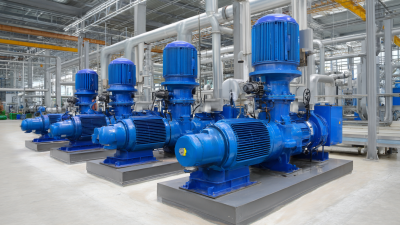
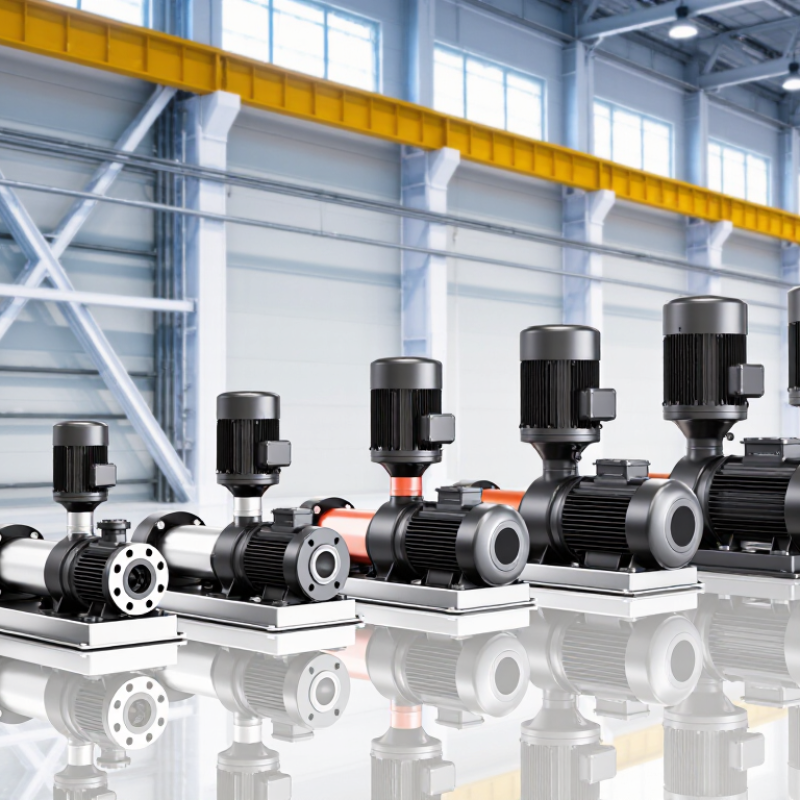
Multistage pumps use two or more impellers arranged in series. Each impeller adds pressure to the liquid, allowing the pump to deliver high head without using one oversized stage. In a typical installation, water enters through the suction casing, passes across several impellers, and leaves at a much higher pressure. The design suits clean water, boiler feedwater, reverse osmosis, irrigation, and building pressure boosting. It is less forgiving with abrasive solids.

The U.S. Department of Energy reports that pumping systems may consume 25% to 50% of electricity in some industrial facilities. That figure makes pump selection more than a purchasing decision. Engineers should check flow, total dynamic head, fluid temperature, viscosity, and the operating curve. A pump handling water at 20°C may perform poorly with hot process liquid. Small errors become expensive.

Multistage pumps are common in high-rise buildings, where lower floors need stable pressure without excessive motor size. They also support mine dewatering, district water supply, and industrial cleaning lines. The Hydraulic Institute emphasizes correct system design, maintenance, and operation near the best efficiency point. Field inspections often reveal throttled valves, blocked strainers, or oversized motors. These details matter. A perfect datasheet cannot repair a badly designed pipeline. The International Energy Agency also identifies motor-driven systems as a major electricity user worldwide, so efficiency should include controls, pipe losses, maintenance, and realistic demand—not only pump efficiency.

How to Evaluate Multistage Pump Suppliers Worldwide

Evaluating multistage pump suppliers worldwide requires more than comparing catalog prices. The International Energy Agency reports that electric motor systems consume roughly half of global electricity. Pump efficiency therefore affects operating costs for years. Request certified performance curves, efficiency data, NPSH values, and test conditions. Check whether results follow ISO 9906 or an equivalent standard.

A reliable supplier should explain head, flow, temperature, fluid chemistry, and seal selection in practical terms. Ask for a complete duty-point calculation, not a copied datasheet. The U.S. Department of Energy notes that pumping systems may represent 25–50% of electricity use in some industrial facilities. Small efficiency gaps can become large bills.

Review motor efficiency classes, variable-speed compatibility, and control-panel protection. Also inspect wetted materials, shaft design, vibration limits, and spare-part availability.

Global purchasing adds another layer. Confirm voltage, frequency, flange standards, documentation language, export packaging, and local service response. Request references from similar installations, factory acceptance records, warranty terms, and a realistic lead time. A polished brochure is not evidence. Neither is the lowest quotation. I would compare five-year lifecycle cost, including seals, bearings, energy, commissioning, and downtime. Some evaluations still miss maintenance access, which is an expensive oversight. A video inspection or witnessed test may reveal more than several sales meetings. Supplier quality should be measurable, traceable, and easy to challenge.

Seven Leading Multistage Pump Suppliers for Global Buyers

7 Best Multistage Pump Suppliers for Global Buyers

Seven leading multistage pump suppliers serve different operating conditions and purchasing priorities. An engineered industrial manufacturer often provides horizontal and vertical pumps for water transfer, pressure boosting, and boiler feed systems. A regional pump producer may offer shorter delivery times and practical local support. Vertical turbine specialists suit deep wells, cooling systems, and municipal intake stations. Their teams should provide verified head, flow, efficiency, and NPSH data.

Boiler-feed specialists focus on high-temperature service, precise balancing, and reliable mechanical seals. Hygienic process suppliers usually work with stainless steel, polished surfaces, and cleanable designs. Custom skid builders integrate pumps with valves, drives, instruments, and control panels. Aftermarket service suppliers support inspections, spare parts, vibration testing, and field repairs. That support matters when a pump stops beside a noisy plant floor.

Ask for test certificates, material records, efficiency curves, and installation references. Check whether the supplier understands local voltage, documentation, shipping terms, and maintenance skills. A capable team will discuss suction conditions before recommending a model. It should also explain seal limits and minimum-flow protection clearly. Not every “leading” supplier fits every project. Some offer excellent engineering but slow replacement parts. Others deliver quickly, yet provide thin technical documents. Request a witnessed performance test when the duty is critical. Keep one uncomfortable question: what happens when the pump runs outside its design point?

7 Best Multistage Pump Suppliers for Global Buyers

This chart presents typical total-head ranges associated with different multistage centrifugal pump configurations. More stages generally enable higher discharge pressure, while actual performance depends on flow rate, impeller design, fluid properties, motor speed, and operating conditions. These engineering reference ranges are intended to support global buyer comparisons and do not represent any specific company or brand.

How the Suppliers Compare in Quality, Price, and Support

Comparing seven multistage pump suppliers requires more than reading rated flow and head. In field purchasing, quality appears in small details: balanced impellers, consistent machining, reliable seals, and motors matched to the duty cycle. Ask for material certificates, hydraulic test records, and a clear tolerance sheet. Factory inspection helps. A polished brochure does not prove stable production. One supplier may offer excellent efficiency, yet provide weak documentation. That gap can become expensive during commissioning.

Price comparisons should use total installed cost, not the lowest quotation. Include the pump, motor, baseplate, controls, freight, spare seals, and commissioning support. A cheaper unit may consume more power or require earlier maintenance. Request efficiency curves at your actual operating point, not only the maximum rating. Payment terms and lead time also affect project risk. I have seen buyers compare identical-looking quotations that excluded testing and export packing. The mistake was avoidable. Still, lifetime estimates are never perfect; operating conditions often change after installation.

Support separates a capable supplier from a distant seller. Check response times, language coverage, troubleshooting procedures, and local service partners. Ask whether engineers can review vibration readings, alignment data, and suction conditions remotely. Strong suppliers provide manuals that technicians can use beside the pump, with labeled parts and practical fault codes. Spare-parts availability matters more than impressive promises. Get written warranty boundaries and escalation contacts before ordering. A trial order can reveal packing quality, document accuracy, and how quickly questions receive useful answers. Then compare that evidence with the quoted price.

How to Choose the Right Supplier for Your Project

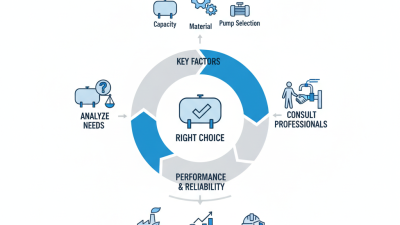
Choosing among the seven best multistage pump suppliers requires more than comparing prices. Your project needs should guide the decision. Check flow rate, total head, fluid temperature, power supply, and installation conditions. A supplier with strong engineering experience should explain these choices clearly, not simply recommend the largest pump.

Request performance curves, material specifications, factory test reports, and realistic delivery dates. Verify whether the supplier can provide maintenance training, spare parts, and technical support near your operating region. Ask for references from projects with similar pressure requirements. A reliable supplier will discuss efficiency losses, seal wear, and possible cavitation before you place an order. That honesty matters. I would also inspect the warranty terms carefully, because broad promises sometimes hide narrow exclusions.

Tips: Compare at least three technical proposals. Confirm the duty point under real conditions. Ask how the pump performs during low-demand periods. Review noise, vibration, and control-system compatibility. Keep every answer in writing. One overlooked detail can delay commissioning for weeks. If a supplier avoids specific answers, pause the evaluation. A lower purchase price may create higher maintenance costs later. Even experienced buyers can misjudge corrosion risks when fluid data is incomplete. Share a verified fluid analysis before final selection.