How to Choose the Right Condensate Return Tank for Your Needs?
Choosing the right condensate return tank is essential for efficient steam systems. A condensate return tank plays a crucial role in collecting and returning condensate to the boiler. Selecting the wrong tank can lead to system inefficiencies and increased operational costs.
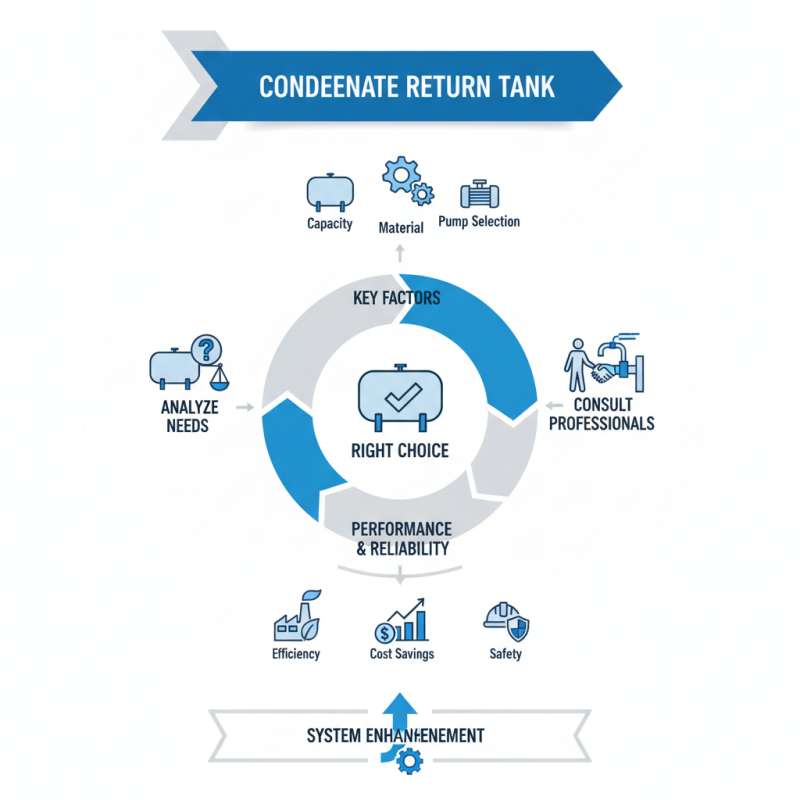
Different types of condensate return tanks exist, each with unique features. Factors such as capacity, material, and pump selection are important considerations. It is vital to analyze your specific needs before making a decision. A poorly chosen tank can result in safety hazards and operational failures.
Consulting with professionals ensures that you receive tailored advice. Their expertise can help identify the most suitable options for your application. Evaluating performance and reliability is important for long-term satisfaction. Make informed choices to avoid future issues and enhance system performance.
Understanding the Purpose of a Condensate Return Tank
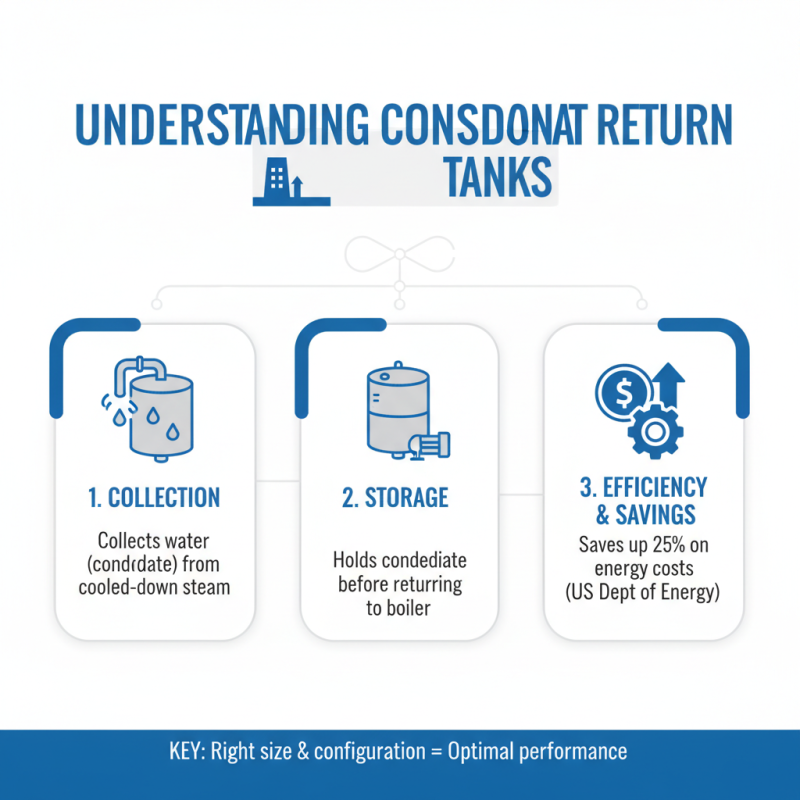
A condensate return tank serves a vital role in steam systems. It collects and stores condensate, which is the water produced when steam cools down. According to a report by the U.S. Department of Energy, effective condensate return systems can save up to 25% on energy costs in steam systems. This efficiency emphasizes the need for selecting the right tank size and configuration for your operational requirements.
Understanding the purpose of a condensate return tank is crucial for optimizing steam system performance. It not only recovers energy from the condensate but also helps maintain thermal efficiency. Furthermore, inadequate sizing can lead to operational issues, like water hammer and ineffective drainage. Emptying and cleaning schedules must be established, as improper maintenance can lead to increased corrosion and wear on equipment.
Professionals often overlook the importance of tank material. Tanks are typically made of steel or fiberglass, each having pros and cons. Steel offers high durability, while fiberglass weighs less and resists corrosion. Regular inspections are necessary to ensure the integrity of the chosen material. Thus, knowledge about tank specifications, maintenance needs, and operational costs are essential for a reliable steam system.
Key Factors to Consider When Selecting a Condensate Return Tank
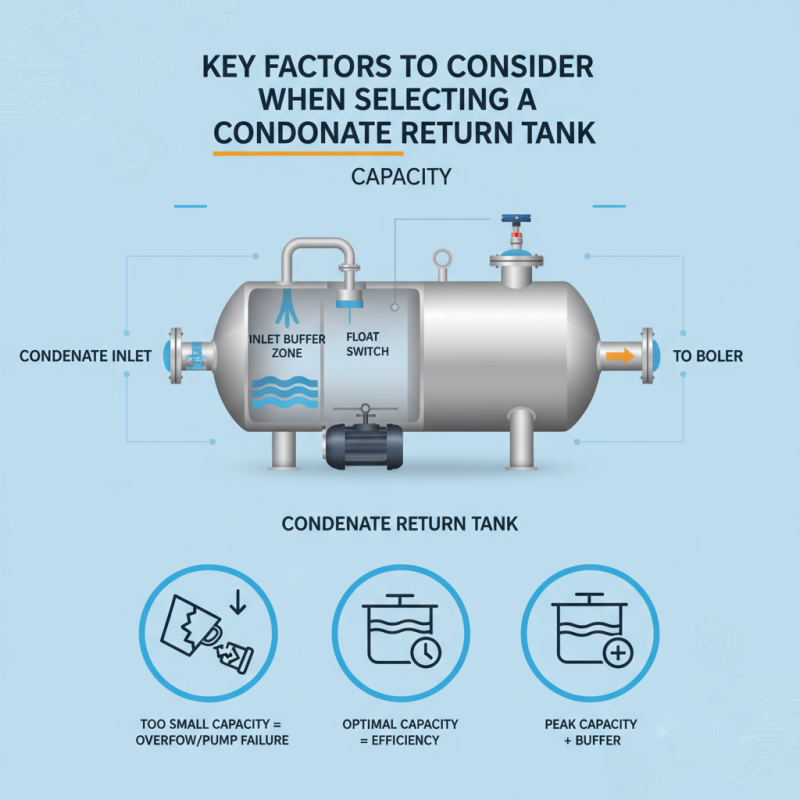
When selecting a condensate return tank, there are several key factors to consider. First, evaluate the capacity needed. A tank should accommodate the volume of condensate generated. Too small a tank leads to inefficiencies. It may cause frequent overflow or pump failures. Aim for a tank that allows for peak capacity while providing a buffer for fluctuations.
Another important aspect is material choice. Tanks are typically made from steel or fiberglass. Steel is durable and offers strength, but it requires maintenance to prevent corrosion. Fiberglass, on the other hand, is lighter and resistant to chemicals. However, its cost can be a concern for some. Reflect on the environment where the tank will be placed. Certain materials may be better suited depending on surrounding conditions.
Pump selection is also crucial. The right pump ensures efficient condensate return. Consider the pump's flow rate and head pressure. These specifications affect performance significantly. Remember, using the wrong pump can lead to energy waste and higher operating costs. Take the time to research and consult experts if necessary. Finding the perfect match may take effort, but it pays off in the long run.
Sizing Your Condensate Return Tank for Optimal Efficiency
Choosing the right condensate return tank is essential for system efficiency. Proper sizing of your tank ensures minimal energy loss and optimal operation. A tank that is too small can lead to frequent cycling, while one that is too large may waste space and resources.
When sizing your tank, consider the volume of condensate generated. Analyze the peak and average flow rates within your system. Monitoring actual usage patterns can reveal discrepancies. This data is critical for making informed adjustments.
Tips:
Use a professional tool to calculate your tank size accurately. Regular maintenance checks help ensure the tank operates effectively and efficiently. Adjusting tank settings based on seasonal changes can improve overall performance and energy savings. Always keep future growth in mind; a little foresight can save significant costs down the road.
Material Options for Condensate Return Tanks and Their Benefits
When selecting a condensate return tank, the choice of material is crucial. Common materials include carbon steel, stainless steel, and fiberglass. Each has unique properties that cater to different operational needs. For example, carbon steel is often used in high-temperature environments. Its affordability is appealing, but it may not resist corrosion effectively over time.
Stainless steel, on the other hand, offers excellent resistance to oxidation and high strength, making it suitable for a wider range of applications. Industry reports indicate that stainless steel tanks can have a lifespan of up to 20 years. This longevity makes them a preferred choice for many facilities. However, the initial cost is typically higher than for carbon steel, which can be a consideration for budget-conscious projects.
Fiberglass is another viable option. It is lightweight and resistant to corrosion. Despite these advantages, some concerns remain regarding its structural integrity under extreme temperature variations. A recent study noted that fiberglass tanks, while durable, may face challenges in very high-pressure situations. This highlights the importance of thoroughly assessing operational conditions before making a final decision. Ultimately, understanding these material options and their respective pros and cons is vital to ensure optimal performance of your condensate return system.
How to Choose the Right Condensate Return Tank for Your Needs?
| Material |
Benefits |
Best Use |
| Stainless Steel |
Corrosion resistant, durable, easy to clean |
Industrial applications with high-pressure systems |
| Carbon Steel |
Cost-effective, strong, versatile |
Low to medium pressure systems in non-corrosive environments |
| Polyethylene |
Lightweight, resistant to chemicals, low maintenance |
Residential and light commercial applications |
| Fiberglass |
Corrosion resistance, lightweight, durable |
Chemical processing and environments prone to corrosion |
Maintenance Tips for Your Condensate Return Tank
Maintaining a condensate return tank is essential for optimal performance. Regular inspection is key. Look for signs of corrosion. Check joints and seams for wear. These small issues can lead to larger problems over time.
Cleaning the tank at least twice a year can prevent buildup and clogs. Use a mild detergent and a soft brush. Avoid harsh chemicals that could damage the tank. Remember to drain the tank completely before cleaning. This step often gets overlooked.
Monitoring water levels is another vital task. Low water levels can indicate a leak or malfunction. High levels may suggest a blockage in the return line. Use gauges and alarms to stay informed. Regularly maintaining the tank will not only extend its lifespan but also improve system efficiency. A proactive approach is better than waiting for a problem to arise.
Condensate Return Tank Maintenance Needs