What is a Vertical Pump and How Does It Work?
In the world of fluid dynamics, a vertical pump is crucial for various applications. These pumps efficiently move liquids in industrial settings, from mining to water treatment. According to a report by Global Industry Analysts, the vertical pump market is expected to reach $5.2 billion by 2026. This indicates growth driven by increasing demand for efficient fluid management solutions.
Dr. James Carter, a leading industry expert, has noted, "Vertical pumps play a vital role in ensuring optimal fluid transport." Their design allows for higher efficiency, especially in applications requiring elevation. However, the complexity of their mechanisms can be daunting. Ensuring proper installation and maintenance is essential for maximizing their lifespan and performance.
While vertical pumps are beneficial, challenges remain. Many operators struggle with selecting the right pump for their specific needs. Misunderstanding operational parameters can lead to inefficiencies. Awareness of these factors is crucial for any organization looking to optimize their operations.
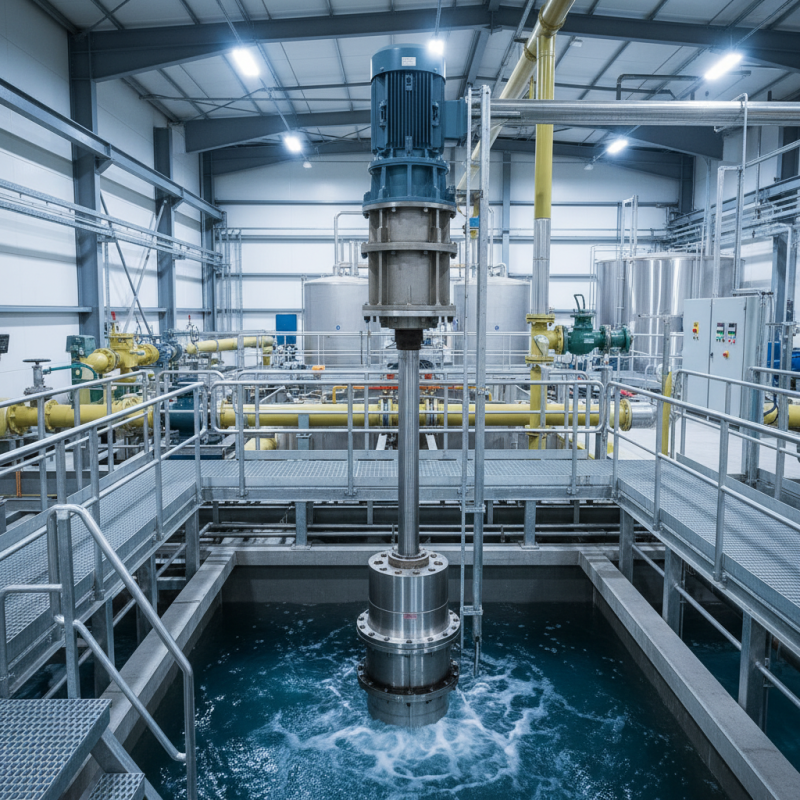
What is a Vertical Pump and Its Importance in Fluid Dynamics
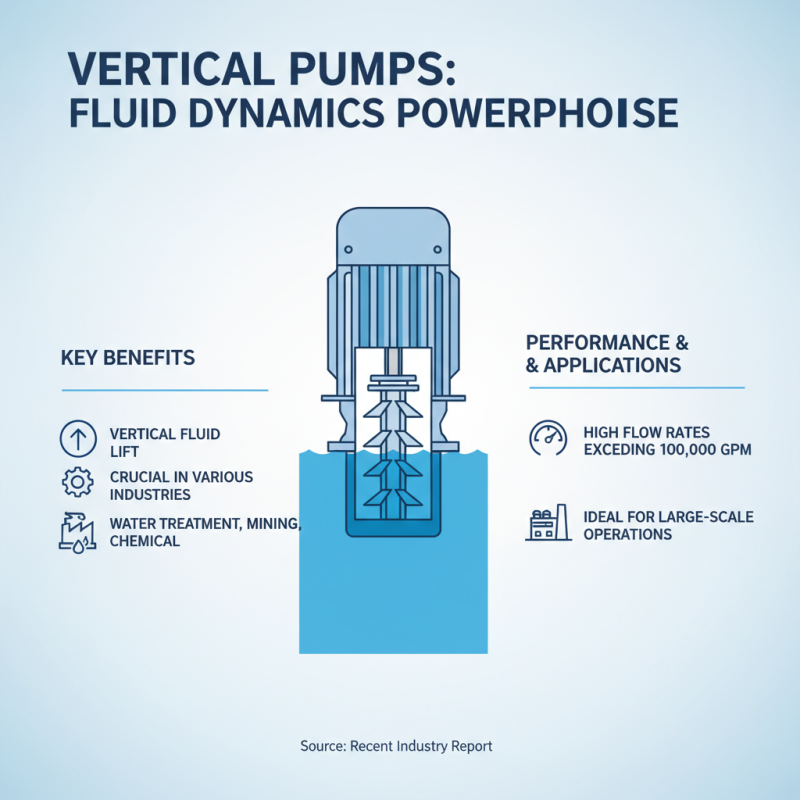
Vertical pumps play a crucial role in fluid dynamics. These pumps are designed to lift fluids vertically, making them essential in various applications. They are commonly used in water treatment, mining, and chemical industries. According to a recent industry report, vertical pumps can handle flow rates exceeding 100,000 gallons per minute. This makes them a preferred choice for large-scale operations.
The design of a vertical pump allows it to maintain efficiency over long vertical distances. However, this efficiency comes with challenges. For instance, the pump's ability to handle abrasive materials can degrade over time. Research indicates that more than 30% of vertical pumps suffer from wear and tear. This can lead to unexpected downtimes. Regular maintenance is vital for prolonging pump life.
Another concern is energy consumption. While vertical pumps are efficient, they are often not optimized for energy use. Studies show that up to 25% of pump energy can be wasted due to improper system design. This highlights the need for better engineering solutions in pump systems. Finding a balance between efficiency and energy use is an ongoing challenge in the industry.
Key Components and Design Features of Vertical Pumps
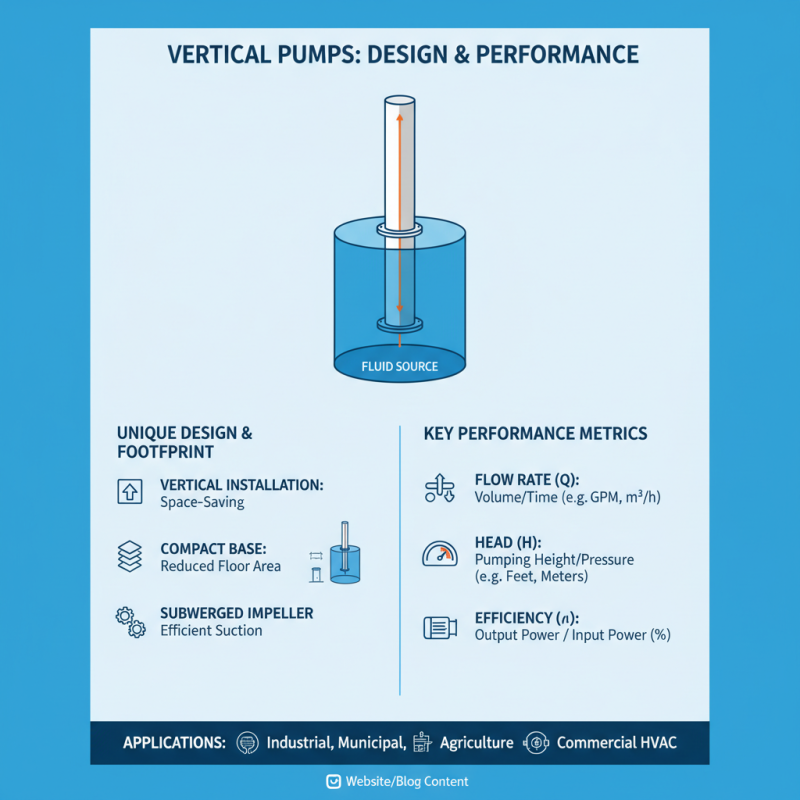
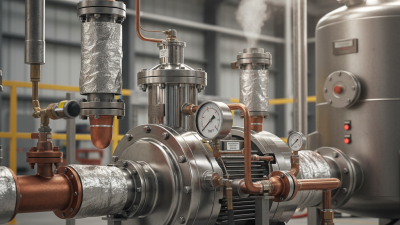
Vertical pumps are unique in their design and function. They typically consist of a long shaft, impellers, and a volute casing. The shaft extends vertically, allowing for efficient placement in tight spaces. Impellers, located at the bottom, propel the fluid upward. This design minimizes cavitation risks, making them suitable for deep sump applications.
Key components of vertical pumps include the motor, which can be positioned above ground. This setup simplifies maintenance. The volute casing collects the fluid after it passes through the impellers. A guide bearing supports the shaft, providing stability. Yet, the design can face issues, such as wear over time. Regular inspections are crucial to identify potential failures.
Moreover, the installation requires careful consideration. Misalignment can lead to operational inefficiencies. The choice of material for components is also critical. Corrosive fluids can cause unexpected damage. Not every pump design is ideal for every application. Proper research and planning are essential to optimize performance.
What is a Vertical Pump and How Does It Work? - Key Components and Design Features of Vertical Pumps
| Component |
Description |
Function |
| Pump Shaft |
A long rod that transfers motion from the motor to the impeller. |
Rotates the impeller to create fluid flow. |
| Impeller |
The rotating component that adds energy to the fluid. |
Increases fluid velocity and pressure. |
| Volute |
A curved channel that directs the fluid from the impeller. |
Converts velocity into pressure and directs flow. |
| Motor |
The electric motor that powers the pump. |
Drives the pump shaft to rotate the impeller. |
| Suction Strainer |
Filters debris before it enters the pump. |
Protects the pump components from damage. |
| Discharge Pipe |
Pipe that carries fluid away from the pump. |
Directs the pumped fluid to the desired location. |
Operational Mechanism: How Vertical Pumps Move Fluids
Vertical pumps are essential devices for moving fluids in various applications. They operate on a straightforward principle: using a rotating impeller to impart energy to the fluid. The impeller's motion creates a pressure difference, drawing fluid into the pump and pushing it upwards. The design is effective, yet it poses potential challenges.
In a vertical pump, the impeller is placed at the bottom. This allows the pump to deliver fluids over long distances or to significant heights. The vertical orientation reduces the footprint, making it ideal for tight spaces. However, improper installation could lead to inefficiencies. Air leaks or misalignment can disrupt fluid movement.
Flow often varies during operation. Factors like fluid viscosity and system pressure influence performance. Many operators monitor these changes. Sometimes, pumps may run at higher speeds than necessary. This can increase wear and tear. Regular maintenance is crucial to avoid failure. Observing the pump’s behavior helps detect issues early. Proper attention can extend its lifespan and improve efficiency.
Vertical Pump Operating Efficiency
This chart represents the distribution of vertical pumps based on their operational efficiency. The categories show the different ranges of efficiency, and the number of pumps that fall into each category. This data helps in understanding the performance of vertical pumps in various applications.
Applications and Industries Utilizing Vertical Pumps for Effective Solutions
Vertical pumps are widely utilized across various industries. They excel in applications where space is limited. These pumps are particularly effective in water treatment facilities. They help move large volumes of water efficiently.
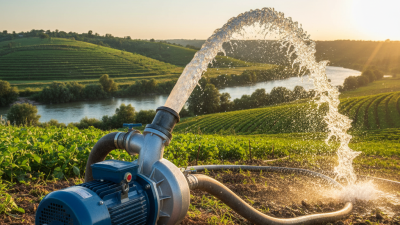
In agricultural sectors, vertical pumps are essential for irrigation systems. They ensure a steady water supply to crops, which is vital for productivity.
In construction, these pumps play a crucial role. They help in dewatering excavations, removing water swiftly. This prevents flooding and maintains project timelines. Some industries also employ vertical pumps for chemical processing. They handle corrosive substances safely, minimizing the risk of leaks. However, one must consider the energy efficiency of these pumps. Not all models are designed for optimal performance.
Maintenance is another area needing attention. Regular checks can prevent breakdowns. Neglect can lead to costly repairs and downtime. Many users overlook this aspect. They might not realize the importance of preventive measures. Overall, while vertical pumps provide effective solutions, awareness of their limitations is essential. Continuous improvement is key to maximizing their benefits.