Top Pressure Pump Manufacturers and Suppliers Worldwide
Pressure pumps sit at the center of water, energy, chemical, mining, and manufacturing operations. Their job is simple to describe, but difficult to optimize. A pump must deliver stable pressure, suitable flow, and dependable service under changing conditions.
Industry data shows why supplier selection matters. Grand View Research valued the global industrial pumps market at approximately USD 69.5 billion in 2022. It also projected continued growth through 2030. MarketsandMarkets identifies energy efficiency, water infrastructure, and process automation as major demand drivers. The U.S. Department of Energy reports that pumping systems can represent significant industrial electricity use, especially when systems operate far from their best efficiency point.
“The pump is only one part of the system,” says Dr. Lev Nelik, a widely recognized pump engineer and author in pump technology. His point remains practical. A high-quality pressure pumps manufacturer cannot compensate for poor pipe sizing, incorrect controls, or neglected maintenance.
Performance matters.
This guide examines leading pressure pump manufacturers and suppliers worldwide. It considers product range, pressure capability, materials, certifications, service coverage, spare-parts support, and published efficiency information. It also looks at real operating details, such as stainless-steel wetted parts, variable-frequency drives, seal durability, and noise levels near working areas.
Market rankings are never perfect. Company strength can vary by region, application, and project size. A supplier trusted in municipal water may not suit a food-processing line or offshore platform. Buyers should verify test data, warranty terms, installation support, and lifecycle costs before making a decision.
Pressure Pump Basics: Types, Applications, and Ratings up to 700 bar
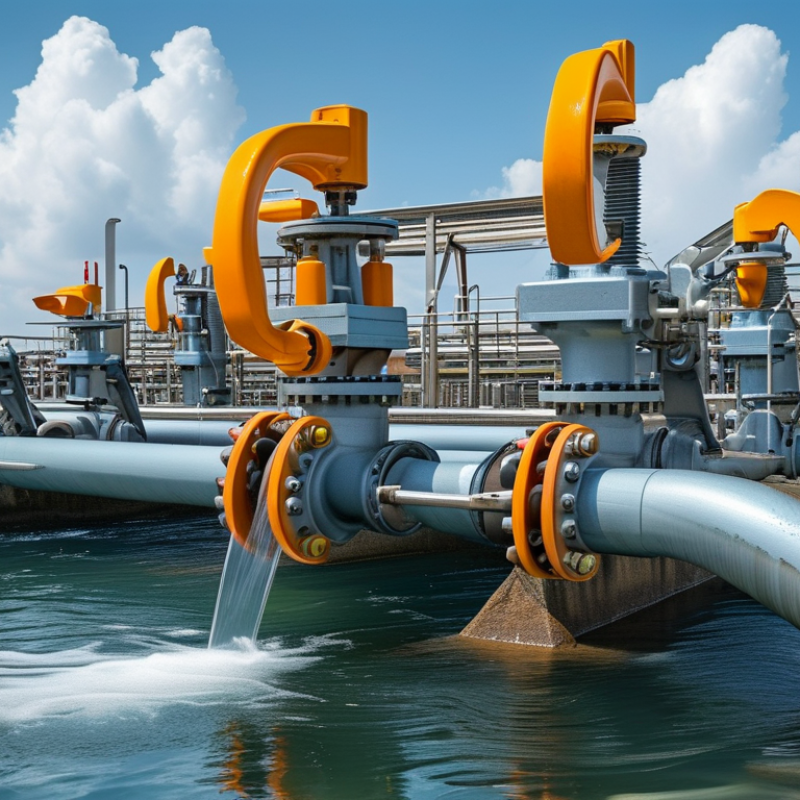
Pressure pumps move liquid against resistance, creating controlled force rather than simply increasing flow. Common designs include piston, plunger, diaphragm, and multistage centrifugal pumps. Piston and plunger models suit high-pressure cleaning, hydrostatic testing, and hydraulic equipment. Diaphragm pumps handle chemical dosing and fluids containing small particles. Multistage centrifugal pumps support building supply, irrigation, and industrial water circulation.
A pump rated at 700 bar can produce approximately 10,150 psi, but that figure needs careful interpretation. Maximum pressure may apply only at a specific flow rate, temperature, and liquid condition. Continuous operation near the limit can shorten seal life and increase heat. Engineers should check the duty point, material compatibility, pulsation, and motor capacity. A pressure gauge, relief valve, and correctly rated hose are essential. I have seen specifications judged by pressure alone. That approach often causes poor performance. Flow matters too.
Tips: Match the pump curve with the real operating point. Confirm whether the rating is working pressure or peak pressure. Inspect seals, fittings, and hoses before each high-pressure cycle. Use clean filtration when the manufacturer requires it. For 700-bar systems, small leaks are not minor; they can damage equipment or skin. Leave a safety margin, even when the calculation appears acceptable.
Pressure Pump Types and Typical Maximum Ratings
Representative upper-end pressure ratings for common industrial pump categories. Actual limits vary by construction, fluid, temperature, seal design, and operating conditions.
How to read this chart: Centrifugal pumps are commonly selected for high-flow, low-to-medium-pressure duties, while positive-displacement pumps such as plunger, piston, diaphragm, gear, and screw pumps are used when higher pressure or precise flow control is required. The 700 bar range is associated with specialized high-pressure reciprocating pump systems.
Supplier Comparison by Flow Rate, Efficiency, Materials, and API 610 Compliance
Comparing top pressure pump manufacturers requires more than reading catalog ratings. Flow rate should match the actual duty point, not the maximum number shown in bold. Ask suppliers for certified pump curves, shutoff head, net positive suction head, and operating limits. A pump rated at 500 cubic meters per hour may perform poorly at 300. Small differences matter.
Efficiency deserves equal attention. Compare hydraulic efficiency at the expected flow rate, especially near the best efficiency point. Request test data, motor efficiency, and power consumption under realistic conditions. A neat spreadsheet can still mislead. Field experience shows that unstable suction conditions often reduce performance more than expected. Suppliers should explain vibration limits, balancing procedures, and maintenance intervals in clear terms.
Materials must suit pressure, temperature, corrosion, and fluid properties. Cast iron may fit clean water, while duplex stainless steel or specialized alloys may better resist corrosive service. Confirm material certificates and manufacturing traceability. For API 610 applications, verify the exact edition, design class, inspection plan, hydrostatic testing, rotor dynamics review, and documentation package. Compliance should be demonstrated, not merely advertised. Reliable suppliers provide references, factory acceptance testing, spare-parts support, and responsive engineering service. Check everything. Mistakes usually appear after installation, when correction becomes expensive.
Regional Supply Networks Across North America, Europe, Asia-Pacific, and Beyond
Pressure pump sourcing depends on more than factory capacity. Regional supply networks often determine delivery speed, spare-part access, and field support. In North America, suppliers commonly keep pumps, seals, motors, and control panels near major industrial corridors. This can shorten emergency response for mining, water treatment, and process plants. Buyers should verify local stock instead of trusting online availability labels. Stock changes quickly.
Europe’s supply network often emphasizes engineered systems, energy efficiency, documentation, and compliance records. Local technical teams may support factory acceptance tests, installation reviews, and maintenance planning. Across Asia-Pacific, manufacturing depth is broad, but service quality can vary between markets. Regional warehouses in Singapore, Japan, Australia, and Southeast Asia may reduce shipping delays. However, nearby inventory does not always mean immediate technical support. Ask who handles commissioning.
Beyond these regions, distributors and service partners often connect manufacturers with projects in the Middle East, Africa, and Latin America. Their value depends on trained technicians, replacement-part accuracy, and transparent lead-time updates. During supplier evaluations, request pressure-test records, material certificates, reference projects, and a clear escalation process. A site visit can reveal more than polished brochures. It may also expose weak packaging or incomplete documentation. Not every supplier performs equally across every region. That is worth acknowledging. Reliable sourcing usually comes from checking the entire network, not only the pump assembly plant.
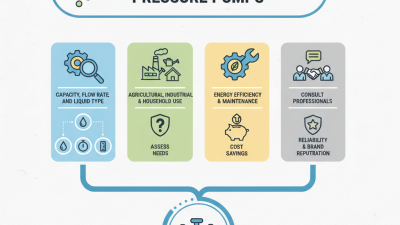
Selection Criteria: Pressure, Flow, ISO Standards, Lifecycle Cost, and Service Support
Choosing a pressure pump manufacturer starts with operating data, not a glossy catalog. Confirm the required pressure at the actual flow rate, including friction losses, elevation, temperature, and fluid viscosity. A pump rated for peak pressure may perform poorly during low-flow operation. Ask for performance curves, test records, materials, and factory acceptance results. Field experience matters here; small piping changes can alter the duty point.
ISO documentation should be checked carefully. ISO 9001 shows a controlled quality system, but it does not prove that every pump suits your process. Request product-specific compliance, calibration records, traceability, and inspection procedures. Compare lifecycle cost, including purchase price, electricity, seals, spare parts, maintenance labor, and unplanned downtime. The cheapest pump can become expensive after six months. My own selection mistakes often came from underestimating service access.
Tips:
Build a five-year cost model. Check efficiency at normal, not maximum, flow. Ask how quickly technicians respond and whether critical parts are stocked locally. Review references from installations with similar pressure, fluid, and duty cycles. A useful supplier should explain limitations clearly, not promise perfect performance. Leave room for uncertainty; real systems rarely match laboratory conditions.