Top 10 Turbine Pump Types You Need to Know?
Turbine pumps play a crucial role in various industries, from agriculture to water treatment. As James Caldwell, a leading expert in the turbine pump industry, once stated, "Understanding turbine pump types can significantly elevate efficiency." This emphasizes the need for knowledge in selecting the right pump.
Different turbine pump types serve distinct purposes, each with unique advantages. You may find yourself overwhelmed by choices. However, learning about the top ten turbine pump types is essential for informed decision-making. Each type varies in design, application, and functionality.
Consider exploring centrifugal turbine pumps for high flow rates. Submersible turbine pumps are ideal for deep-water applications. It's vital to recognize that the right choice impacts system performance and longevity. Knowing the intricacies of turbine pumps can prevent costly mistakes and improve productivity. Embracing this knowledge leads to better operational efficiency and fluid management.
Types of Turbine Pumps: A Comprehensive Overview
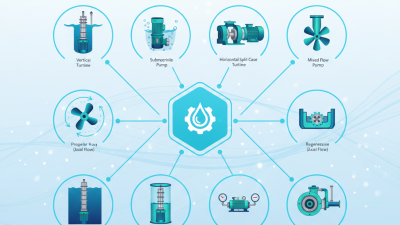
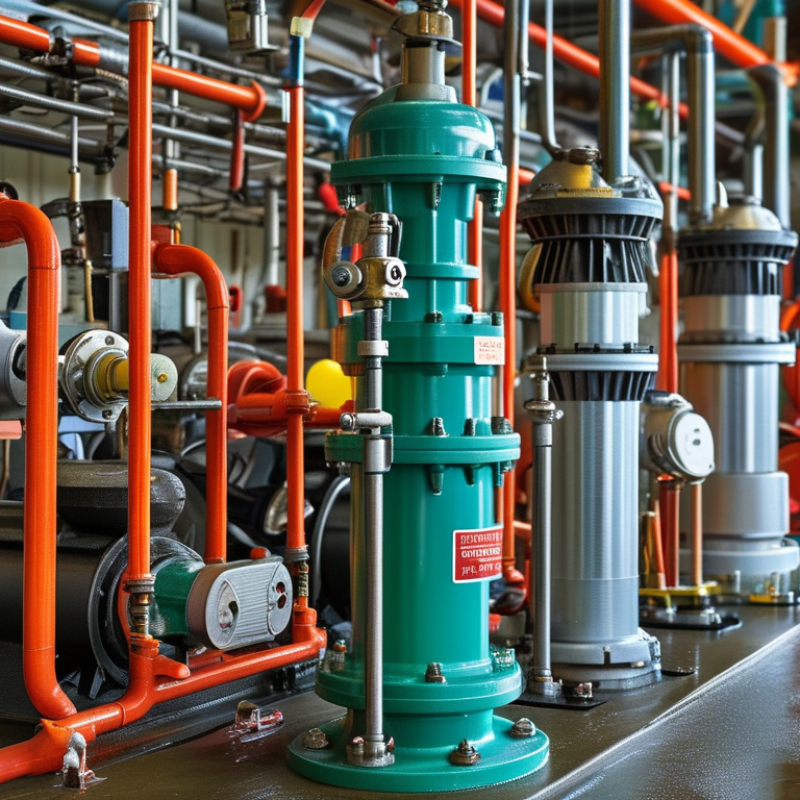
Turbine pumps play a crucial role in various industrial applications, especially in water supply and manufacturing. The two primary types are vertical and horizontal turbine pumps. Vertical turbine pumps excel in deep well applications, providing high efficiency for lifting water from substantial depths. Conversely, horizontal turbine pumps are more suitable for surface water sources. Both types offer unique advantages based on the application.
According to the Global Market Insights report, the turbine pump market is expected to see a growth rate of 4.5% annually. This growth reflects an increasing demand for energy-efficient systems in various industries. However, users often overlook maintenance. Regular inspection and proper care are vital for longevity. Neglecting these can lead to operational failures or lower efficiency, making it essential for operators to prioritize maintenance tasks.
Performance is another area for consideration. The differences in design can affect flow rates and pressure capabilities. For instance, vertical turbine pumps typically handle larger volumes at lower pressures. Always analyze specific operational needs before selecting a pump type. Additionally, understanding local regulations related to pump operation can prevent compliance issues. Balancing these factors is essential for optimal performance in the field.
Vertical Turbine Pumps: Design and Applications
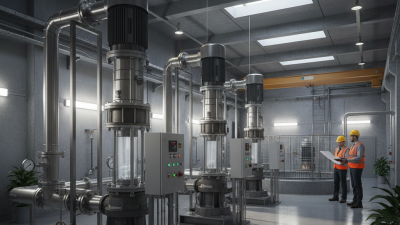
Vertical turbine pumps are widely recognized for their efficiency in moving water in various applications. These pumps are particularly beneficial in deep well installations. Their vertical design allows for easy installation in tight spaces. When selecting a vertical turbine pump, consider the specific requirements of your project.
The design of vertical turbine pumps involves multiple stages of impellers. This design maximizes flow while minimizing energy loss. The pumps can be configured to manage different capacities based on client needs. It’s crucial to understand the hydraulic characteristics of your water source. This knowledge helps in selecting the right model and optimizing performance.
However, vertical turbine pumps require regular maintenance to ensure longevity. Wear and tear can occur, affecting the pump’s efficiency. Ignoring maintenance could lead to costly repairs or replacements in the long run. Additionally, proper installation is key; incorrect setup can result in operational issues. Understanding these challenges is essential for effective implementation.
Horizontal Turbine Pumps: Advantages and Use Cases
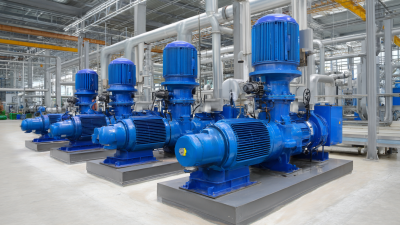
Horizontal turbine pumps are a common choice in various industries due to their efficiency and versatility.
These pumps are designed to move large volumes of water or other fluids in horizontal configurations.
This design helps reduce cavitation and ensures optimal performance, especially in applications such as irrigation and municipal water supply.
One of the main advantages of horizontal turbine pumps is their compact size. They can be installed in areas with limited vertical space.
This feature is particularly beneficial in sites where height restrictions exist.
Additionally, they are known for their ability to handle varying flow rates. This flexibility makes them suitable for different operational needs.
However, there are some considerations to keep in mind. Maintenance can be more complex than with other pump types due to their intricate design.
Proper training and knowledge are essential for technicians. Misjudging the required specifications can lead to inefficiencies.
Users should also reflect on the mounting position effects on performance. Choosing the right pump involves careful planning and understanding of site conditions.
Submersible Turbine Pumps: Exploring Their Unique Features
Submersible turbine pumps are essential in various industries, particularly in water extraction and irrigation. Unlike surface pumps, they operate underwater, enhancing efficiency. According to industry reports, these pumps can achieve up to 90% efficiency in specific applications. Their design minimizes the risk of cavitation, a common issue in other pump types.
A key feature of submersible turbine pumps is their ability to handle large volumes of water. They can pump water from deep wells, making them vital in agricultural sectors. For instance, they are commonly used in large-scale farms, where water management is critical. Despite their advantages, these pumps require regular maintenance to ensure optimal performance.
When considering a submersible turbine pump, check the motor's power rating. An underpowered motor can lead to performance issues. Understanding your water source's depth is also crucial. This will help in selecting the right pump capable of handling the required flow rate. Regularly inspecting the pump for wear and tear can prevent costly repairs in the long run.
Top 10 Turbine Pump Types You Need to Know
Choosing the Right Turbine Pump for Your Needs
Choosing the right turbine pump can significantly affect your operations. The type of pump you select should align with your specific application needs. For instance, submersible turbine pumps are excellent for deep well applications, extracting water from depths beyond 300 feet. According to industry reports, these pumps can achieve efficiencies exceeding 80%, making them a top choice for water utilities.
Another important factor to consider is the material of the pump. Corrosion resistance is crucial for applications involving aggressive liquids. Stainless steel options are popular, yet they come with a higher initial cost. Additionally, composite materials may reduce maintenance needs but could limit durability. The U.S. Department of Energy states that correct pump selection can improve energy efficiency by up to 20%.
Understanding the total cost of ownership is vital as well. While some pumps may have a lower purchase price, their operational costs could be higher. Regular maintenance, energy use, and possible replacements must be accounted for. Notably, a pump that requires frequent repairs can lead to increased downtime, affecting productivity. It’s essential to weigh these factors carefully when making your decision.
Top 10 Turbine Pump Types You Need to Know
| Pump Type |
Description |
Applications |
Efficiency Range |
| Vertical Turbine Pump |
Designed for deep water applications, these pumps utilize a vertical shaft. |
Irrigation, water supply, dewatering. |
60% - 85% |
| Horizontal Turbine Pump |
Commonly used for higher flow rates, these pumps have horizontal shafts. |
Industrial water transfer, fire protection systems. |
50% - 80% |
| Submersible Turbine Pump |
Able to function underwater, ideal for deep well applications. |
Wells, boreholes, and fountains. |
60% - 90% |
| Self-Priming Turbine Pump |
Designed to automatically remove air from the suction line. |
Sump drainage, chemical transfer. |
65% - 80% |
| Ballast Pump |
Used for taking on or discharging water ballast. |
Marine applications, ship building. |
70% - 90% |
| Deep Well Turbine Pump |
Specialized for wells with high water levels. |
Agricultural irrigation, municipal water supply. |
60% - 85% |
| Centrifugal Turbine Pump |
Utilizes centrifugal force to pump fluids. |
Water treatment, HVAC systems. |
50% - 80% |
| Split Case Turbine Pump |
Features two pump cases for improved efficiency. |
Fire protection, large industrial applications. |
70% - 85% |
| Multi-Stage Turbine Pump |
Contains multiple impellers for high pressure applications. |
High-rise buildings, irrigation systems. |
75% - 90% |