Moving propane between approved containers requires more than a motor, hose, and convenient power source. A propane transfer pump is designed to move liquefied propane through compatible, pressure-rated equipment. It does not simply push gas. The pump draws liquid propane from a supply cylinder or tank. It then raises the pressure enough to deliver propane into a receiving vessel. During operation, valves control the flow, while gauges help operators monitor pressure and tank conditions. Temperature matters. As liquid propane expands into vapor, even a small error can create dangerous pressure changes.
This guide explains the pump’s main components, operating cycle, and practical limits. You will see why pump type, flow rate, seals, grounding, and hose compatibility matter. Real-world work is less tidy than diagrams suggest. Cold weather can slow transfer, vapor can interrupt flow, and a worn seal may leak before failure becomes obvious. That is why experienced technicians inspect connections, confirm approved ratings, and follow the manufacturer’s instructions. They also verify local safety requirements and use suitable protective equipment. Never improvise with household pumps or unapproved containers. The goal is controlled transfer, not maximum speed. Small details matter. A reliable explanation must admit uncertainty because procedures vary with tank design, pump configuration, and site conditions. Understanding these differences helps readers avoid treating a propane transfer pump as an ordinary liquid pump.
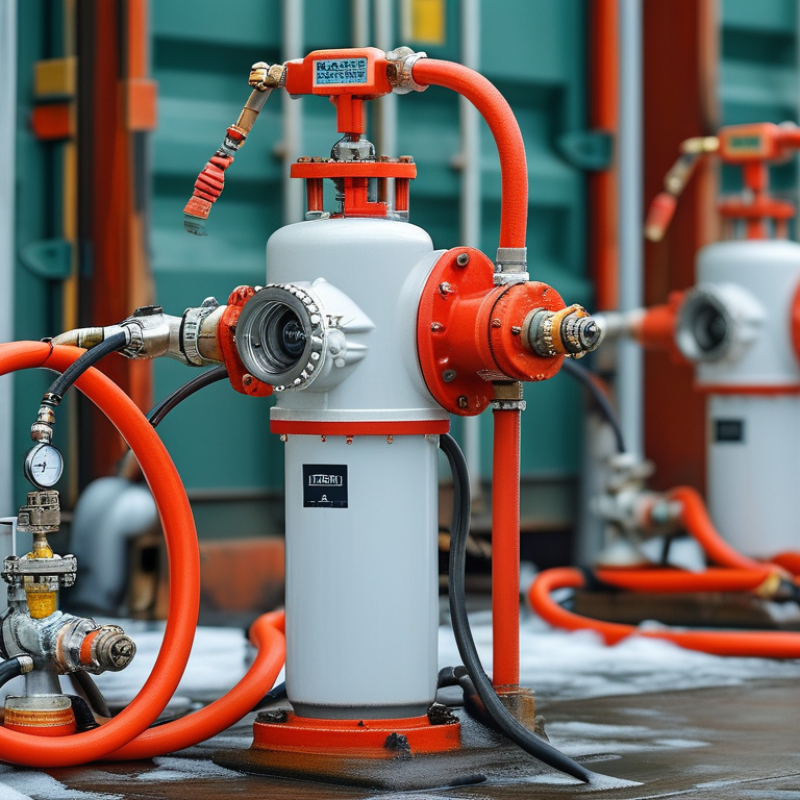
A propane transfer pump is a mechanical device designed to move liquid propane from one approved container to another. Its core purpose is controlled transfer, not long-term storage or vapor removal. The pump creates a pressure difference, allowing liquid propane to flow through compatible hoses, valves, and transfer lines. Depending on the equipment, it may use a positive-displacement or centrifugal pumping method. The design must match propane’s pressure, temperature, and chemical properties.
The process begins when the pump draws liquid from the supply container. Internal components then push it toward the receiving vessel. Flow meters, shutoff valves, pressure gauges, and relief devices help operators monitor the movement. Cold metal and frost near connections can indicate rapid expansion or an incorrect operating condition. Small leaks may also produce a noticeable odor, but smell alone is not a reliable inspection method.
Details matter.
Experienced technicians inspect hose condition, grounding, valve positions, and connection seals before starting. They also confirm that both containers are approved for propane service and that the surrounding area has suitable ventilation. A common mistake is treating the pump like an ordinary fuel pump. It is not. Propane can expand quickly and create serious pressure hazards. Procedures should follow the equipment manual, recognized safety standards, and local requirements. Even trained workers should pause when readings seem unusual. A simple transfer may appear routine, yet one overlooked valve can change the entire operation.
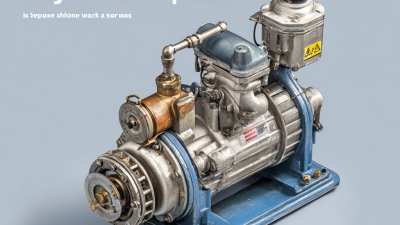
A propane transfer pump moves liquid propane between approved storage containers. It creates controlled pressure differences inside a closed transfer system. The drive motor supplies mechanical energy to the pump assembly. Depending on the design, the pump may use rotating vanes, gears, or another positive-displacement method. These parts draw liquid through the inlet and push it toward the outlet. Flow depends on pump speed, liquid temperature, and system pressure.
The inlet line carries propane from the supply container. An internal filter can catch rust or debris before they reach sensitive parts. The pump chamber controls the liquid movement. The outlet line sends propane to the receiving container. Check valves help prevent reverse flow, while pressure-relief devices release excessive pressure when conditions become unsafe. Seals around the shaft reduce leakage, although seals can wear faster than expected. Hoses, fittings, and gauges complete the working system. Each connection matters.
Tips: Inspect hoses, seals, filters, and fittings before operation. Keep the equipment grounded and use only approved components. Never ignore unusual vibration, odor, noise, or frost around a connection. Stop and investigate. A practical mistake is assuming a quiet pump is always healthy. Wear can remain hidden until flow becomes uneven. Follow the equipment instructions, confirm container compatibility, and let qualified personnel handle repairs or pressure-related adjustments.
A propane transfer pump moves liquid fuel by creating a controlled pressure difference. Propane remains liquid inside a pressurized storage vessel. When the pump starts, tank pressure pushes liquid toward the inlet, while rotating vanes or pistons draw it into the pump chamber. The pump then raises liquid pressure and sends propane through a hose, meter, or filling connection.
Small changes matter. A partly closed valve, restricted filter, or long hose can reduce flow quickly. Many transfer systems use a positive-displacement pump because it delivers a steady volume during loading. A bypass valve protects the equipment when downstream pressure rises. Some installations also use vapor-return piping, which sends displaced vapor back to the storage vessel instead of releasing pressure uncontrolled.
The U.S. Energy Information Administration reported record U.S. propane exports of about 1.7 million barrels per day in 2023, showing the scale of modern propane handling systems. At this volume, reliable transfer depends on correct pump sizing, clean filters, sound seals, and accurate pressure control. NFPA 58, the Liquefied Petroleum Gas Code, addresses transfer equipment, separation distances, and emergency shutoff provisions. Real-world performance is less perfect than a specification sheet suggests. Cold weather, worn vanes, and trapped vapor can cause erratic flow. I would not judge a pump by motor size alone. Suction conditions, liquid temperature, pipe layout, and maintenance history often decide whether fuel moves smoothly.
A propane transfer pump moves liquid propane between approved containers through rated hoses, valves, and pressure controls. It does not operate like an air compressor. Trained personnel should follow the equipment manual, site procedures, and local safety requirements. Before starting, inspect the pump, motor, fittings, gaskets, hose surface, and excess-flow protection. Check for cuts, frost damage, loose connections, or unreadable pressure ratings. Small defects matter.
Place containers on stable ground and verify their labels, capacity, and compatibility. Keep flames, vehicles, cigarettes, and other ignition sources away. Provide effective ventilation, especially in low areas where propane can collect. Bond and ground the equipment when required. Wear eye protection, gloves, long sleeves, and suitable footwear. Close all valves before connecting. Attach the liquid hose securely, confirm the flow direction, and check the pump’s relief protection. Open valves slowly, start the pump, and monitor pressure, hose movement, and liquid levels. Prevent overfilling. Never leave the transfer unattended.
Stop immediately if you smell propane, hear hissing, see frost, or notice unstable pressure. If safe, close the source valve and stop the pump. Isolate the area and follow the emergency procedure. After transfer, close valves in the approved sequence and release trapped pressure only through authorized equipment. Disconnect carefully. Check connections with an approved leak-detection solution, never with an open flame. Record readings, inspection results, and unusual vibration. Rushed checks create the biggest risks. That deserves reflection.
A propane transfer pump moves liquefied propane between approved storage vessels, cylinders, and fuel systems. It uses a motor-driven mechanism to create pressure and maintain controlled flow. Unlike water pumps, it must handle a volatile liquid safely. Trained personnel should inspect connections, hoses, valves, and electrical grounding before operation. Small leaks can become serious hazards.
Routine maintenance protects both performance and safety. Inspect seals for cracking, check hose condition, and keep fittings clean. Follow the pump manufacturer’s service intervals for lubrication, filters, and relief devices. Never ignore unusual vibration or a sharp odor. These signs may indicate a loose connection, vapor lock, worn components, or restricted flow. A common mistake is replacing parts before checking the valve positions and tank pressure. That simple oversight wastes time.
Troubleshooting should begin with safe isolation and pressure control. If the pump will not start, technicians can check the power supply, emergency shutoff, and motor protection system. Low flow may result from an empty source vessel, blocked strainer, or excessive vapor formation. Persistent vibration requires stopping the equipment and inspecting alignment, mounting, and liquid supply. Propane transfer pumps are commonly used for cylinder filling, farm storage, commercial heating systems, and vehicle fuel servicing. Conditions vary. Records of pressure, flow, inspections, and repairs help technicians identify patterns, although incomplete records can still lead to uncertain decisions.
A propane transfer pump moves liquefied propane between storage tanks, cylinders, delivery vehicles, and dispensing systems. The chart shows the approximate saturated vapor pressure of propane at selected temperatures. As temperature rises, pressure increases, which directly affects pump inlet conditions, vapor formation, and cavitation risk.
The values are approximate absolute pressures for pure propane and are based on standard vapor-pressure relationships. Actual readings can vary with propane composition, tank conditions, elevation, and measurement accuracy.
Propane transfer pumps are commonly used for filling cylinders, loading and unloading bulk storage tanks, transferring LPG for industrial processes, and supplying propane to commercial or agricultural fuel systems.