2026 How to Optimize Steam Boiler Water Treatment for Efficiency?
In the pursuit of operational efficiency, steam boiler water treatment plays a critical role. Proper water treatment enhances boiler performance and extends equipment lifespan. However, many facilities overlook this essential aspect. They may face issues like scaling and corrosion due to inadequate water management. This can lead to unscheduled downtimes and costly repairs.
A comprehensive approach to steam boiler water treatment encompasses various strategies. For instance, implementing regular testing and monitoring ensures optimal water quality. Additionally, using appropriate chemical additives can prevent deposit formation. Facilities may also benefit from training staff on best practices. Yet, the complexity of the treatment process can be overwhelming.
Facilities must strive to balance efficiency and effectiveness in steam boiler water treatment. Goals include reducing water usage and improving energy efficiency. By critically assessing current practices, facilities can identify areas for improvement. A thoughtful approach not only enhances efficiency but also promotes sustainability in operations.
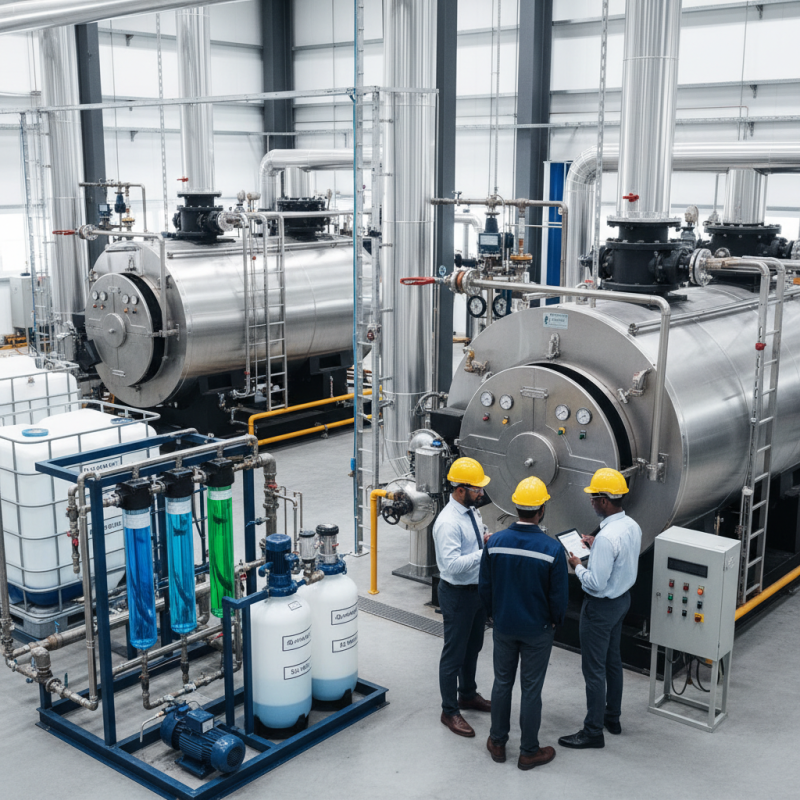
Understanding the Importance of Water Treatment in Steam Boilers
Water treatment plays a crucial role in maintaining steam boilers' efficiency. Proper treatment prevents scale build-up and corrosion, which can significantly reduce a boiler's lifespan. When contaminants accumulate, they create hot spots, compromising heat transfer. This leads to increased fuel consumption and higher operating costs.
Contaminants can come from various sources, including feedwater and system leaks. A thorough analysis of water chemistry is essential. Regularly testing for pH, hardness, and other parameters can help ensure the right balance of chemicals. Many operators overlook this aspect, resulting in unforeseen issues.
Implementing a well-structured water treatment program can prevent these inefficiencies. Using appropriate chemicals reduces scaling and corrosion. However, operators must remain vigilant. A treatment method that works well today might not be effective tomorrow, requiring ongoing assessment. As technology evolves, adapting treatment strategies can optimize performance and save on costs. Regular reviews of treatment protocols are vital for ongoing efficiency.
2026 How to Optimize Steam Boiler Water Treatment for Efficiency?
| Water Treatment Method |
Efficiency Improvement (%) |
Common Contaminants Removed |
Recommended Frequency of Treatment |
| Chemical Treatment |
15% |
Scales, Corrosion Inhibitors |
Monthly |
| Reverse Osmosis |
20% |
Dissolved Solids, Silica |
Weekly |
| Deionization |
10% |
Ions, Heavy Metals |
As Needed |
| Filtration |
12% |
Particulates, Organic Matter |
Bi-weekly |
| Blowdown Control |
18% |
Concentration of Solids |
Daily |
Common Water Quality Issues Affecting Boiler Efficiency
Boiler efficiency is heavily influenced by water quality. Common issues arise from impurities in the water. These can lead to scaling and corrosion. Both problems reduce heat transfer, increasing fuel consumption.
Hard water often contributes to scale formation. Scale acts as an insulator, decreasing efficiency. Additionally, dissolved oxygen in feedwater causes corrosion. This can severely damage the boiler over time. Regular water testing can help identify these issues early.
Maintaining proper pH and alkalinity levels is crucial. Too acidic or too alkaline conditions can cause equipment failure. Effective treatment methods exist, but they require ongoing attention and adjustment. Operators must remain vigilant about water quality. Addressing issues proactively can lead to significant cost savings and enhanced boiler performance.
Methods for Effective Boiler Water Treatment
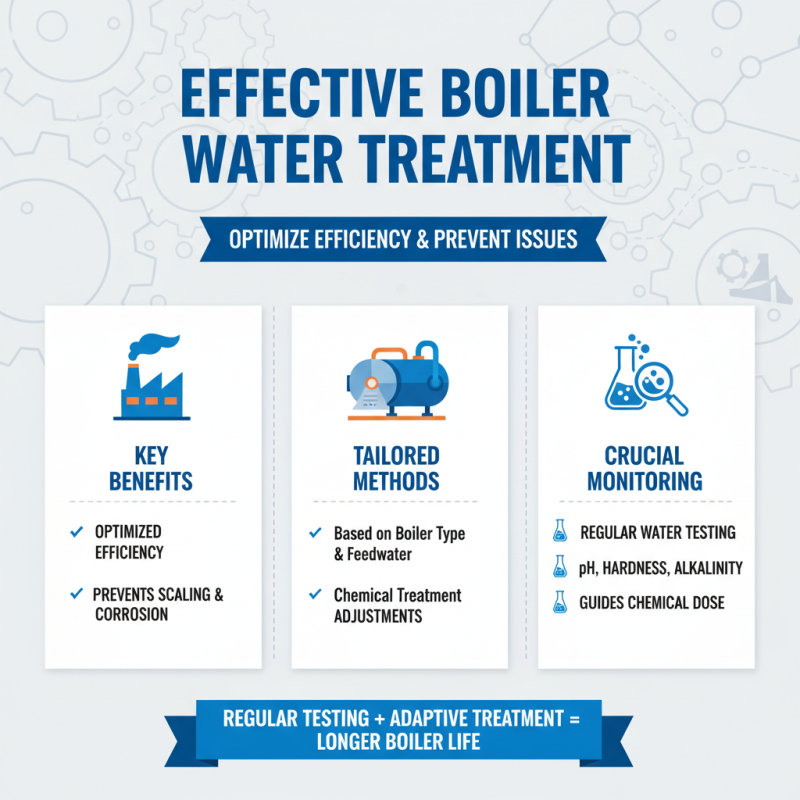
Effective boiler water treatment is essential for optimizing steam boiler efficiency. Maintaining proper water quality prevents issues like scaling and corrosion. The treatment methods should be tailored to specific boiler conditions. Regular testing for parameters such as pH, hardness, and alkalinity is crucial. These tests guide adjustments to treatment chemicals.
One common method is the use of chemicals like oxygen scavengers and boiler antifoulants. They help mitigate oxidation and the buildup of minerals. However, improper dosing can lead to problems. Overdosing could result in chemical carryover, affecting system performance. Proper training for operators on these methods improves reliability.
Another consideration is the quality of makeup water. Distillation or reverse osmosis systems often yield better quality compared to traditional sources. However, these systems require significant investment. It’s essential to weigh the benefits against costs when deciding on installations. Regular maintenance and monitoring are critical in all steps of water treatment. These practices ensure consistent efficiency and performance in steam boilers.
Regular Maintenance Practices for Optimizing Boiler Performance
Regular maintenance is crucial for optimizing steam boiler performance. By focusing on water treatment, you can enhance efficiency and longevity. One key practice is conducting routine water quality tests. This ensures that the water chemistry remains within the ideal ranges. Proper pH levels can prevent corrosion and scale buildup. Keeping the boiler clean helps maintain efficiency and reliability.
Tips: Check your water treatment chemicals regularly. Using high-quality additives can improve water quality. Regular blowdown procedures are also important. They help remove sludge and prevent sediment accumulation in the boiler. This small task can significantly extend the life of your boiler.
Monitoring the boiler pressure is essential too. It’s easy to overlook minor fluctuations, but they can indicate larger issues. Regular inspections can catch small problems before they escalate. Keeping a log of maintenance activities helps track performance and identify trends over time. Sometimes, even dedicated professionals miss subtle signs of wear. This highlights the importance of a thorough and precise maintenance approach.
Steam Boiler Water Treatment Efficiency Optimization
This bar chart illustrates the efficiency levels of a steam boiler at various stages of water treatment optimization. The data shows a significant increase in boiler efficiency as regular maintenance practices and water treatment methods are implemented.
Utilizing Advanced Technologies for Water Treatment Efficiency
In the quest for improved efficiency in steam boiler water treatment, advanced technologies have emerged as pivotal tools. Recent studies indicate that improper water treatment can result in efficiency losses of up to 20%. By implementing automated chemical dosing systems, facilities can ensure precise control over water quality. This enhances the overall performance of steam boilers and reduces operational downtime.
Membrane filtration is gaining traction as a cutting-edge solution in water treatment. According to industry reports, this technology can effectively remove contaminants that traditional methods might overlook. Furthermore, integrating real-time monitoring systems allows for immediate adjustments in treatment processes. This adaptability not only optimizes efficiency but also leads to significant cost savings.
However, challenges remain. Many facilities struggle with outdated systems that may not support advanced technologies. Additionally, the initial investment in these innovative methods can be daunting. Facilities must weigh the long-term benefits against the short-term financial implications. Overcoming these hurdles is essential for fully realizing the advantages of modern water treatment solutions.