10 Essential Tips for Maintaining Your Condensate Tank
In the world of industrial processes, the condensate tank plays a critical role. According to Dr. Emily Carter, a leading expert in fluid dynamics, “Proper maintenance of a condensate tank can significantly enhance overall system efficiency.” Her insights reflect the importance of understanding how to care for these essential systems.
Condensate tanks collect and hold condensate, usually from steam or other systems. Regular maintenance is crucial to prevent issues like corrosion and clogging. Many facilities overlook this, leading to costly failures. It’s vital to be proactive rather than reactive. A well-maintained condensate tank not only ensures safety but also supports energy efficiency.
However, maintaining a condensate tank is not a straightforward task. It requires expertise and attention to detail. Operators must be trained to identify warning signs. Reflecting on past mistakes in maintenance can help shape a better approach. Proper upkeep may be challenging, but the benefits outweigh the difficulties. Prioritizing condensate tank maintenance can lead to smoother operations and reduced downtime.

Understanding the Purpose and Function of a Condensate Tank
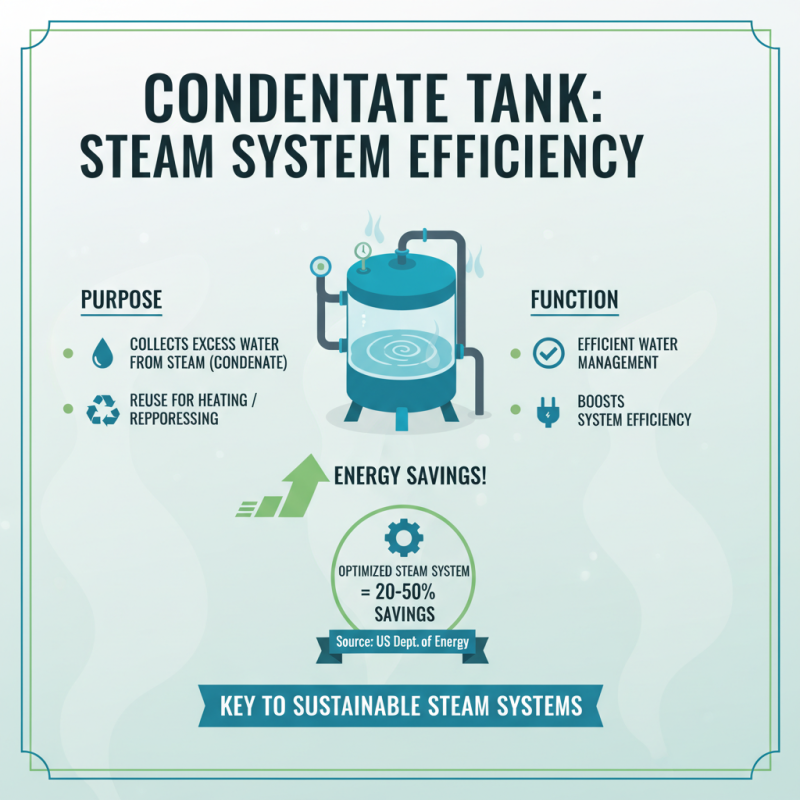
A condensate tank plays a crucial role in steam systems. Its primary purpose is to collect excess water produced from steam condensation. This water, called condensate, is valuable; it can be reused for heating or processed back into the system. According to the U.S. Department of Energy, optimizing steam systems can yield energy savings of 20% to 50%. Proper management of condensate ensures efficiency.
The function of the condensate tank is not just collection. It also helps maintain system pressure and operates safely. When the tank is full, pressure can build up, risking system integrity. Data from industry reports show that improper condensate management leads to valve failures and pump damage. These issues can increase energy costs and result in costly downtime.
Failing to monitor the condensate tank can create problems over time. Corrosion and contamination may occur if the tank's temperature is not controlled. Regular maintenance is vital. Minor leaks may suggest larger issues in a system that needs immediate attention. Keeping accurate records of maintenance checks can prevent significant failures. The condensate tank is a small part of a larger system but is essential for overall efficiency.
Regular Inspection Routines to Ensure Condensate Tank Efficiency
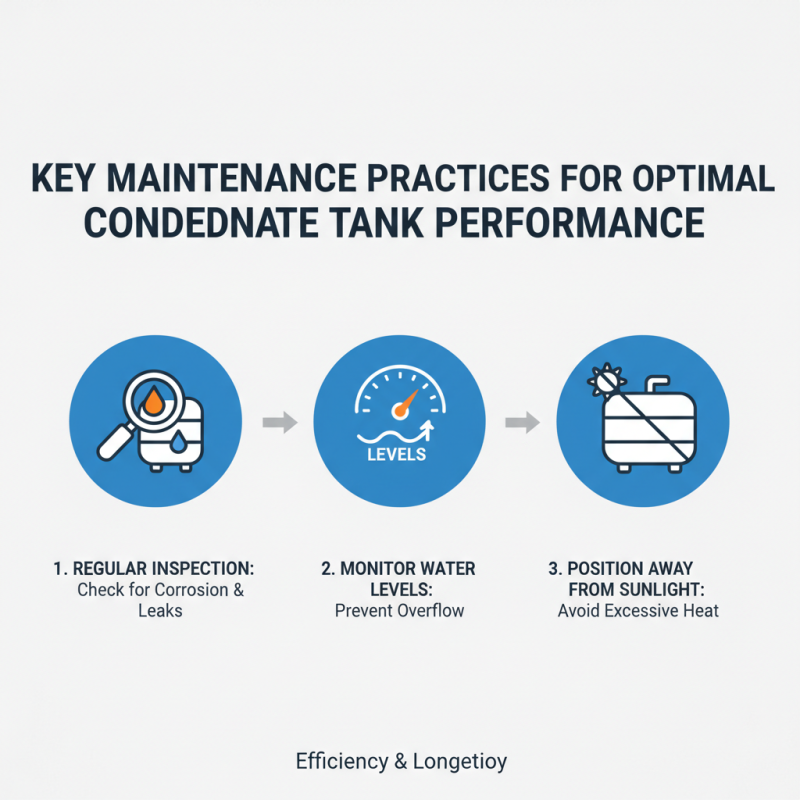
Regular inspection of condensate tanks is critical for ensuring efficiency. Industry reports indicate that 30% of condensation systems underperform due to lack of maintenance. Routine checks help identify leaks, corrosion, or blockages early. These issues can lead to pressure drops and wasted energy.
During inspections, look closely at the tank's structural integrity. Cracks and signs of wear can compromise performance. An analysis by the Energy Efficiency Association suggests that timely repairs can improve system efficiency by up to 25%. Additionally, monitoring the water levels is essential to avoid both overflows and dry running.
Record keeping of inspection results is vital. Documentation helps track performance trends over time. Many facilities neglect this simple practice, which can lead to missed maintenance opportunities. If your tank hasn’t been inspected in the last six months, it may be time to take action. Regular checks are not just a recommendation; they are essential for reliable operation.
10 Essential Tips for Maintaining Your Condensate Tank
This chart displays ten essential tips for maintaining condensate tank efficiency, measuring their effectiveness on a scale of 1 to 10 based on common industry feedback.
Identifying and Troubleshooting Common Condensate Tank Issues
Condensate tanks play a crucial role in managing steam systems. However, over time, they can develop issues that may lead to inefficiencies. Recognizing these problems early is essential for optimal operation. A common issue is water accumulation. This can result in corrosion and solid buildup. Regularly check for excessive moisture. A simple visual inspection can reveal signs of leaks or overflow.
Another frequent concern is the pump failure. This can happen due to a worn-out motor or clogged filters. Observing abnormal noises can be a warning sign. Addressing this issue promptly can save time and costs. Additionally, monitor the pressure and temperature gauges. Unusual readings may indicate underlying problems that require immediate attention.
Cleaning the condensate tank is vital. However, it often gets overlooked. Sludge buildup might not be evident at first glance, but it can significantly affect performance. Don’t hesitate to remove debris. This process may feel tedious, but it ensures longevity. Regular maintenance can prevent major issues. Reflect on your operational practices. Are you as proactive as you could be? Taking time to examine these aspects will enhance both efficiency and reliability.
Safety Precautions During Condensate Tank Maintenance Activities
When maintaining your condensate tank, safety must come first. Proper safety gear is essential. Always wear gloves, goggles, and protective clothing. This protects against any accidental spills or steam. Be sure the area is ventilated. Inadequate ventilation can lead to dangerous buildup.
Tip: Check the tank for any leaks before starting maintenance. A small leak can turn into a big problem. Monitor pressure levels to ensure they are stable. High pressure can be hazardous.
Be attentive; even minor leaks or fluctuations signal potential issues.
Another important tip is to drain the tank regularly. Regular draining prevents sludge buildup.
Sludge can lead to blockages and equipment damage over time. Remember to shut off power before draining. It's a critical step that shouldn’t be overlooked. Always communicate with your team about ongoing maintenance tasks. Lack of communication can lead to safety risks.
Stay aware of your surroundings. There might be unexpected challenges or hazards. Have a plan in place for emergencies.
Keeping a fire extinguisher nearby is a wise precaution. Regularly inspecting safety equipment helps ensure it will function properly when needed.