10 Essential Tips for Choosing the Right High Pressure Pump
In the competitive landscape of industrial machinery, selecting the right high pressure pump is crucial. According to a recent report by the Global Pump Market Research Institute, the demand for high pressure pumps has surged by 12% over the last year, reflecting their importance in diverse applications. "The right pump choice can enhance efficiency and reduce operational costs," states Dr. Andrew Lockwood, a renowned expert in pump technology.
Selecting a high pressure pump can be challenging. It's not just about buying the equipment; it’s about ensuring it meets specific operational demands. Factors such as flow rate, pressure requirements, and fluid compatibility cannot be overlooked. Many buyers fail to consider these elements, which often leads to costly mistakes. Keeping in mind the operational environment is equally vital. For instance, pumps operating in corrosive conditions require specialized materials to avoid premature failure.
A more informed decision can lead to long-term benefits. Yet, the complexity of requirements makes it easy to miscalculate. A typical user may overlook vital data about their processes. This can lead to inefficiencies or even equipment downtime. Therefore, understanding the specifics of high pressure pumps is not just beneficial; it’s essential for optimizing performance and maintaining productivity.
Understanding High Pressure Pumps and Their Applications
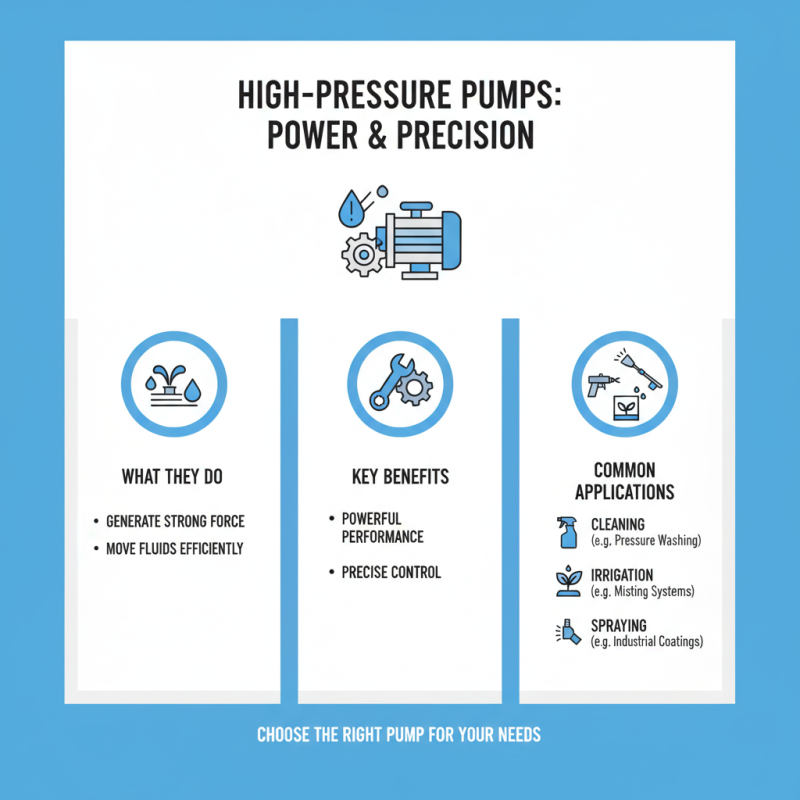
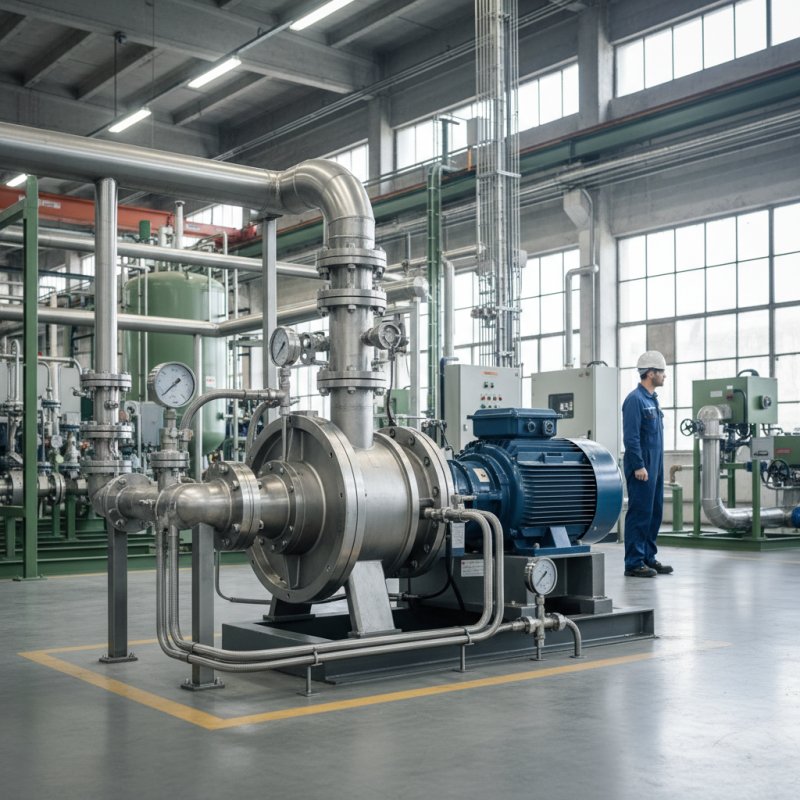
High pressure pumps are vital in various industries, serving numerous applications. They are used in cleaning, spraying, and even irrigation. Understanding their function can help you choose the right pump for your needs. High pressure pumps operate by generating a significant force to move fluids efficiently. This ability makes them suitable for tasks that require both power and precision.
When selecting a pump, consider the desired flow rate. The right flow rate ensures efficiency in operations. A pump that is too weak may not meet your needs. Conversely, an overly strong pump can lead to wastage and increase costs. Always evaluate your specific requirements before making a decision.
Pay attention to the pump’s materials. The construction should withstand the pressures and types of fluids involved. For example, corrosive liquids require pumps made from resistant materials. Also, remember to check compatibility with your system. It's easy to overlook, but failing to do so can cause problems later. Reflecting on your choices, a pump that fits well with your setup saves time and maintenance costs.
Identifying Key Specifications and Performance Metrics
Selecting the right high-pressure pump requires understanding essential specifications and performance metrics. One crucial metric is flow rate, usually measured in gallons per minute (GPM). A recent industry report indicates that optimal flow rates vary significantly based on application. For instance, industrial cleaning often demands high flow rates over 10 GPM, while agricultural applications might require rates closer to 3 GPM. These numbers can greatly influence the efficiency and effectiveness of your pumping system.
Another key specification is the pressure rating, often highlighted in pounds per square inch (PSI). Many professional applications, such as surface preparation and coating removal, demand pressure ratings above 3000 PSI. However, choosing a pump with excessively high pressure ratings may not always be beneficial. Over-pressurization can lead to premature equipment failure or increased operational costs. Reviewing performance metrics and industry insights can provide valuable guidance and help in making informed decisions.
Lastly, motor power is essential to consider. Reports suggest that electric motors range from 1 to 15 horsepower, affecting both energy consumption and pump performance. An appropriately sized motor enhances efficiency. A mismatch can lead to energy wastage or mechanical issues. It’s vital to reflect on these specifications thoroughly to avoid future challenges and ensure long-term operational success.
Evaluating Pump Types for Specific Use Cases
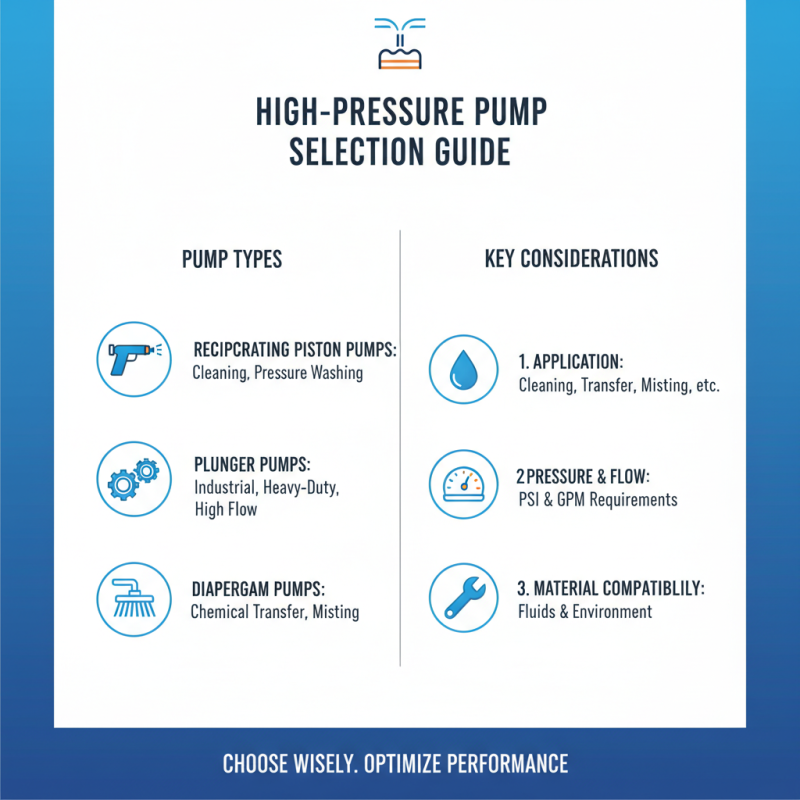
Choosing the right high-pressure pump requires understanding different types for various tasks. Some pumps work best for cleaning, while others suit industrial applications. Evaluating the specific needs of your use case is crucial.
One tip is to determine the required pressure and flow rate. Different jobs demand different outputs. For example, a pump for car washing needs lower pressure than one for industrial cleaning. Always match the pump specs to your requirements.
Consider the pump's material. For abrasive liquids, durable materials are essential. A fragile pump could lead to leaks and costly repairs. Additionally, check the maintenance needs. Some pumps require frequent attention, while others are more self-sufficient. Reflect on how much time you can invest in upkeep.
Lastly, assess the pump’s portability. If you need to move it often, weight and size matter. A heavy pump could be cumbersome. Choose wisely based on where you'll use it most. This approach ensures you find a pump that genuinely meets your demands.
Selecting the Right Material for Pump Durability and Compatibility
When selecting a high pressure pump, material choice is crucial for durability and compatibility. Different materials resist various chemicals and pressure levels. For instance, stainless steel is highly regarded for its corrosion resistance. However, it may not suit all applications. In contrast, thermoplastic materials can offer excellent resistance to a range of acids and bases. Yet, they might not withstand extreme temperatures.
According to industry reports, roughly 25% of pump failures stem from material compatibility issues. This statistic highlights the importance of careful selection. Consider the fluid type. Will it erode or corrode the material? Consult data from the American Society of Mechanical Engineers (ASME) for detailed material properties. This can help avoid costly maintenance or replacements.
Moreover, environmental conditions can influence your choice. High humidity or temperature fluctuations can impact performance. Some materials expand or contract, affecting seals and connections. Engaging with experts can provide insights into the right choices. Beware of overlooking these factors, as it could lead to significant downtime.
Considering Maintenance and Support Options for Longevity
When selecting a high-pressure pump, maintenance and support options are crucial. Regular maintenance can enhance pump longevity. In fact, a report by the Hydraulic Institute indicates that preventative maintenance can extend pump life by up to 50%. This highlights the importance of routine checks and servicing to avoid breakdowns.
Planning for maintenance starts with understanding the pump design. Some models are easier to maintain than others. Look for features like accessible parts and simple repairs. A recent study revealed that pumps with modular designs save up to 30% on servicing time. This is a significant factor for teams that prioritize uptime.
Consider the support options available from suppliers. Efficient support can reduce downtime drastically. Companies that offer training can help your team troubleshoot issues. A survey found that high service levels can lead to a 20% increase in operational efficiency. Investing time in maintenance training pays off. It's not just about the initial investment. A well-supported pump lasts longer, ensuring reliability and performance.