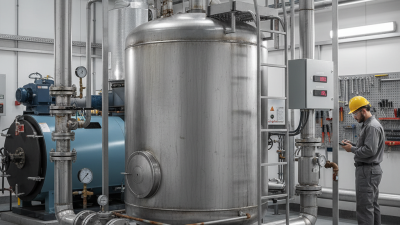
Choosing the right high pressure pump is crucial for many applications. Whether for industrial use or home projects, a high pressure pump can make a significant difference. The market is filled with options, making it challenging to select the best one.
Quality and reliability are essential when considering a high pressure pump. Factors such as flow rate, pressure range, and materials can influence your choice. Some pumps may boast high performance but lack durability. It's important to assess these attributes carefully. Also, understanding the intended use of the pump is vital.
You might find it useful to consult industry experts or user reviews. However, not all information is equally reliable. Look for trusts sources that reflect real-world applications. Remember, taking the time to evaluate the right high pressure pump can save you from future headaches.
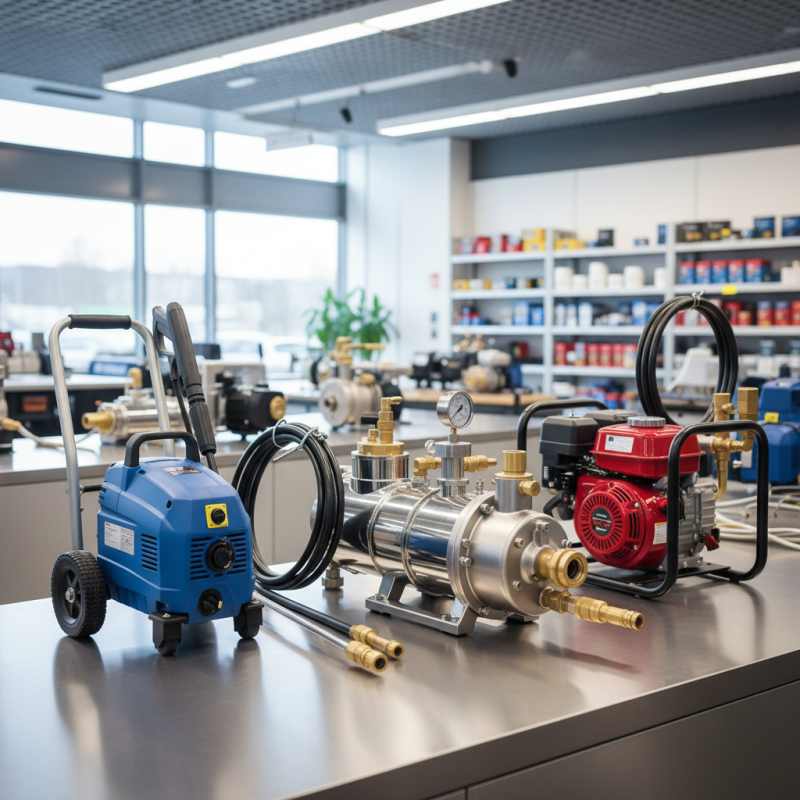
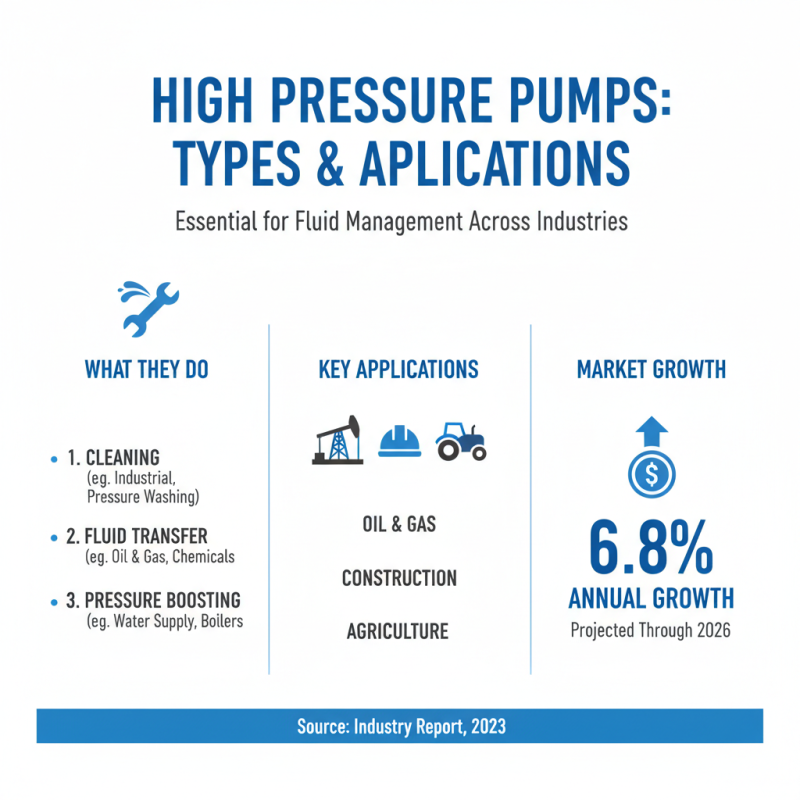
High pressure pumps have a wide variety of applications across multiple industries. They are crucial for tasks like cleaning, transferring fluids, and boosting water pressure. According to a recent industry report, the global demand for high pressure pumps is projected to grow by 6.8% annually through 2026. This growth reflects the increasing need for efficient fluid management in sectors such as oil and gas, construction, and agriculture.
Understanding the types of high pressure pumps is essential for making informed decisions. Positive displacement pumps, for example, excel in delivering high flow rates at stable pressure. In contrast, centrifugal pumps are often preferred for their efficiency at high speeds. Each type has its strengths based on the application, such as water jet cutting or pressure washing. However, operators sometimes overlook the importance of compatibility with the fluids being pumped. Neglecting this can lead to equipment failure and unexpected downtime.
While evaluating high pressure pumps, considerations like maintenance and energy consumption also play critical roles. Regular maintenance can reduce operational costs, but it’s often ignored until a significant problem arises. Below optimal energy efficiency can lead to wasted resources over time. All these factors highlight the importance of conducting thorough research before selection. Hence, prospective users should weigh their options carefully, considering the specific demands of their applications.
When selecting a high-pressure pump, several key factors must be weighed carefully.
Flow rate is crucial. It determines how quickly the pump can deliver water or other fluids.
Measure your needs and match them to the pump's capacity. Consider the pressure rating too.
This dictates the pump's ability to handle various tasks effectively. Whether you're cleaning surfaces or powering machinery,
the right pressure is essential.
Durability is another important aspect. Pumps often work in tough environments.
Materials used in construction can significantly affect longevity.
Stainless steel and heavy-duty plastics may offer resistance to corrosion and wear.
Maintenance is a factor to keep in mind as well. High-pressure pumps require regular checks and servicing.
Noise levels may not be your primary concern, but they contribute to overall operational comfort.
A quieter pump could improve the working environment. Think about portability if you plan to use the pump in various locations.
A lightweight, compact design might prove beneficial. Reflect on your choices, and don’t rush the decision-making process.
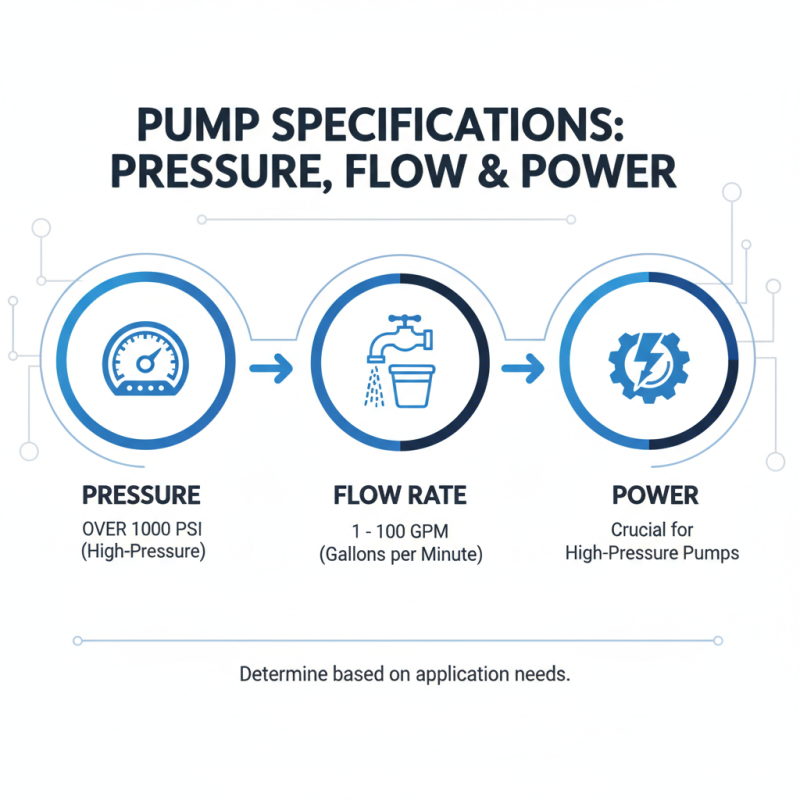
When selecting a high-pressure pump, understanding the core specifications is crucial. The two primary factors are pressure and flow rate. High-pressure pumps typically operate at pressures exceeding 1000 psi. For instance, reports indicate that the ideal flow rate for various applications varies widely, usually ranging from 1 to 100 gallons per minute (GPM). Determine your specific requirements based on the tasks you will perform.
Power is another essential element in pump selection. Pumps require different power levels, often measured in horsepower (HP). A standard pump for industrial applications may need between 2 and 5 HP to operate efficiently. Evaluating the power needs ensures your pump can handle the demands without overheating or failing.
**Tip:** Always assess the compatibility of pump specifications with your application. Mismatched flow rates or pressure levels can lead to diminished performance or equipment failure.
**Tip:** Consider maintenance costs and ease. Some pumps need regular servicing, while others offer self-lubricating options. Choosing wisely can save you time and money in the long run.
Ultimately, aligning your pump's specifications with your operational needs is vital. Without careful evaluation, you might overlook essential factors leading to dissatisfaction.
Material compatibility is crucial when selecting a high-pressure pump. Choosing the wrong materials can lead to pump failure and costly downtime. It's vital to consider the pump’s components, including the casing, seals, and impellers. Each part must withstand the fluid's properties without degrading.
When evaluating materials, examine the fluid's chemical composition. Some chemicals can corrode metals. Others may compromise elastomers used for seals. For instance, a pump handling acid should have a casing made from suitable alloys. However, over-engineering is also a concern. It may lead to unnecessary expenses without enhancing performance.
Consider the operational environment too. High temperatures or abrasive particles may wear down components faster. Materials that are usually robust may fail under specific conditions. Regular maintenance and inspections help in identifying such issues. Ultimately, aligning material choices with your operational needs enhances efficiency and reliability.
Maintaining a high-pressure pump is vital for its longevity. Regular maintenance checks can prevent small issues from becoming costly problems. Inspecting hoses, connections, and seals should be routine. A small leak can lead to significant performance issues. Pumps should be cleaned regularly to avoid clogs and reduce wear on components.
Support from professionals is also essential. Knowledgeable technicians can help diagnose complex issues. Understanding unique system requirements is important. Not every pump is the same; each has specific needs. Documentation is crucial for tracking repairs and maintenance schedules. Keeping a detailed service history can reveal patterns over time. This reflection allows users to anticipate problems before they arise.
Investing time in maintenance and support pays off. A well-maintained pump can operate efficiently for years. However, neglect can lead to decreased performance and higher energy costs. By prioritizing care, users ensure their pump delivers optimal results consistently. Regular attention helps maintain reliability and efficiency.
This chart displays the maximum pressure capabilities of various high pressure pump models. Understanding these specifications can assist in choosing the right pump for your needs while ensuring long-term performance and efficiency.