How to Choose the Best Boiler Pumps for Your Needs?
Choosing the right boiler pumps can significantly impact a heating system's efficiency and performance. James Hawthorne, an industry expert with over 20 years of experience, once said, "The right pump can make or break your boiler system." This statement emphasizes the importance of making informed choices in selecting boiler pumps.
When considering boiler pumps, various factors must come into play. These include pump size, capacity, and specific system requirements. Each boiler system is unique, and one solution may not fit all. It’s crucial to understand your needs deeply. A poorly chosen pump can lead to inefficiencies and increased costs. It's not just about picking a well-known brand; it's about matching specifications to ensure optimal performance.
Key considerations include energy efficiency ratings and installation compatibility. Users may overlook these elements, leading to potential future issues. A reliable boiler pump ultimately enhances both comfort and cost-effectiveness. However, the process of selection can often prove challenging. Understanding these complexities can transform a daunting task into an informed decision-making process.
Understanding the Functionality of Boiler Pumps in Heating Systems
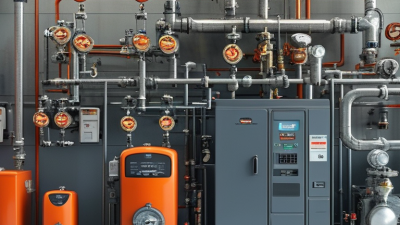
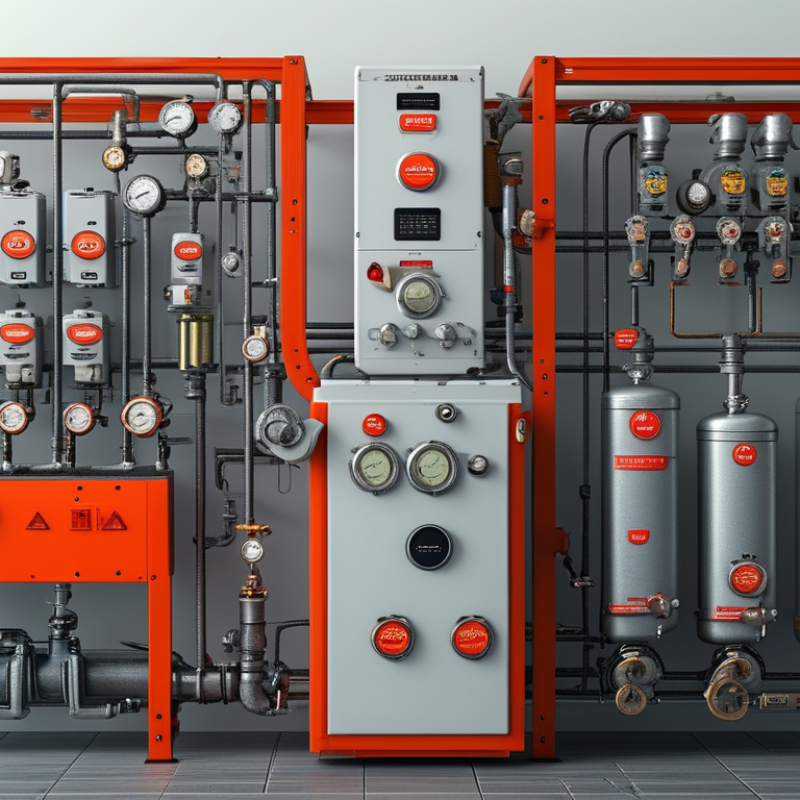
Boiler pumps are essential components in heating systems, ensuring effective circulation of hot water or steam. They play a crucial role in transferring heat throughout your home or business. Understanding the functionality of these pumps can help you make an informed choice when selecting the right one for your needs.
In a typical setup, boiler pumps facilitate the movement of heated fluid from the boiler to radiators or other heating elements. They maintain a steady flow, which is vital for consistent heating. However, the selection can be complex. Different pumps have varying capacities and specifications. A pump that is too small may struggle to provide adequate heat, while an oversized pump can lead to inefficiencies and increased energy costs.
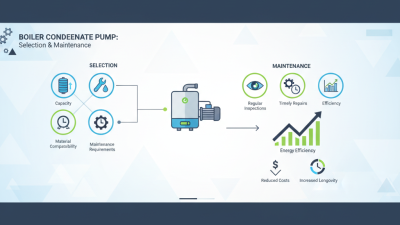
Installation and maintenance are key factors as well. Regular checks for leaks and performance issues are necessary to ensure long-term efficiency. If a pump is neglected, it may fail unexpectedly, causing disruptions. It’s important to balance efficiency with the cost of pump maintenance. Reflecting on your specific heating needs and environmental conditions can lead to better choices. Always evaluate the potential trade-offs in pump selection.
Identifying Your Boiler Type and Its Requirements for Pump Selection
When selecting a boiler pump, it is crucial to identify the type of boiler you have. Different boilers operate under unique conditions that affect pump requirements. For instance, high-efficiency condensing boilers typically require pumps that can manage lower flow rates while maintaining high pressure. According to the American Society of Heating, Refrigerating and Air-Conditioning Engineers (ASHRAE), these systems often utilize variable speed pumps to optimize performance and energy efficiency.
Boiler systems also vary by the type of heating medium—whether it's water, steam, or glycol. Each medium has its thermal and pressure characteristics, affecting pump selection. For example, steam systems may need pumps with specific capabilities for handling fluctuations in pressure and temperature. A study by the Boiler Efficiency Institute reveals that improperly matched pumps can reduce system efficiency by up to 30%. Thus, understanding your boiler type is essential for selecting a compatible pump that meets its demands.
Another factor to consider is the application of the boiler system. Residential boilers have different requirements compared to commercial units. Residential systems may use smaller pumps, while commercial setups often need larger and more robust options. Poorly chosen pump specifications can lead to noise issues and increased energy costs. Therefore, conducting a thorough analysis of your boiler’s requirements is vital to ensure optimal performance and reliability.
Boiler Pump Types and Their Performance
This chart illustrates the flow rates (in Gallons Per Minute) of various boiler pump types, helping you understand which pump may best suit your needs based on its performance characteristics.
Evaluating Pump Specifications: Flow Rate, Head Pressure, and Power
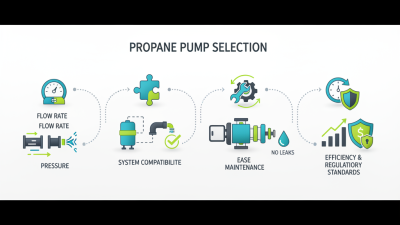
When selecting a boiler pump, understanding pump specifications is crucial. The flow rate indicates how much water the pump can move in a given time. A higher flow rate means efficiency, but too high may lead to pressure issues. Calculate the required flow for your system, considering all heating demands. For many applications, a range of 10 to 20 gallons per minute can be effective, but always check your specific needs.
Head pressure is another key specification. It measures the vertical distance a pump can move water. This specification helps ensure that your system maintains the necessary pressure for optimal heating. A pump with insufficient head pressure can lead to inadequate heating, while too much can cause strain. It’s essential to balance both flow rate and head pressure for maximum performance.
Power consumption matters, too. More powerful pumps cost more to run. Overpowered systems may lead to inefficiencies and waste energy. Consider your boiler’s size and heating requirements to choose an adequately powered pump. Balancing specifications takes time and thought. Test different setups to find what works best for you.
Comparing Different Boiler Pump Types: Circulator vs. Sump Pumps
When selecting a boiler pump, it is essential to understand the different types available. Two common types are circulator pumps and sump pumps. Each serves a unique purpose in heating systems, making your choice vital for efficiency.
Circulator pumps are designed for moving water in heating systems. They circulate hot water from the boiler through pipes to radiators or heating elements. This type of pump operates quietly and efficiently. However, if not sized correctly, they may struggle to provide adequate pressure, leading to uneven heating.
Sump pumps, on the other hand, are typically used to remove excess water from basements or crawl spaces. They are instrumental in preventing flooding and moisture buildup. While effective for drainage, they are not intended for heating applications. This distinction is crucial when choosing a pump for your specific needs. Consider your primary objectives, as mixing the two types can lead to complications.
Considering Energy Efficiency and Longevity in Your Pump Choice
When selecting a boiler pump, energy efficiency and longevity are crucial factors. A high-efficiency pump can significantly reduce your energy bills. Look for models with energy ratings that align with your budget and usage patterns. Don’t overlook the importance of longevity. A well-constructed pump can last years, saving you replacement costs.
Consider the materials used in the pump's construction. Stainless steel and high-quality plastics can enhance durability. Pumps with advanced seals can prevent leaks, which is essential for both efficiency and maintenance. Reflect on your specific heating needs. A one-size-fits-all approach often leads to inefficiency.
It’s wise to evaluate the installation and maintenance requirements as well. Some pumps may need special fittings or frequent checks. This could affect your long-term costs. Remember, investing in the right pump is not just about initial costs. Analyze the potential savings and longevity for a better overall value.