Why Choose a Cylindrical Gearbox for Your Applications?
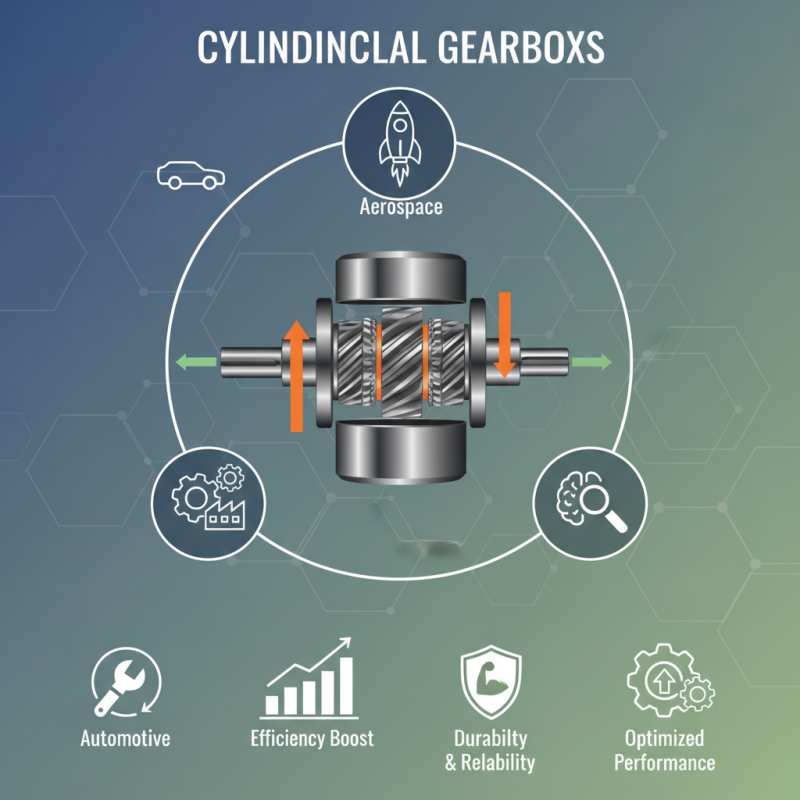
When considering the right gearbox for your applications, the Cylindrical Gearbox stands out. Its efficient design and strong performance make it a popular choice in various industries. This gearbox type transfers power seamlessly and provides excellent torque. With applications ranging from automotive to aerospace, cylindrical gearboxes are versatile and reliable.
The expertise behind cylindrical gearboxes stems from years of engineering advancements. Manufacturers focus on precision and durability. However, not all cylindrical gearboxes are created equal. Selecting the wrong one can lead to inefficiencies and costly downtime. Businesses must assess their specific needs carefully.
Choosing a cylindrical gearbox can boost operational efficiency. Yet, understanding its unique features is crucial. Careful evaluation ensures the right match for your machinery. While cylindrical gearboxes offer great benefits, it requires thought and consideration to implement them effectively.
Features and Advantages of Cylindrical Gearboxes
Cylindrical gearboxes are widely used in industrial applications due to their unique design and reliable performance. One significant advantage is their ability to handle high torque loads efficiently, often exceeding 90% efficiency rates. This makes them ideal for heavy machinery and automotive systems. According to a recent industry report, cylindrical gearboxes account for over 40% of the global gearbox market, highlighting their popularity among engineers.
These gearboxes also offer compact designs, making them suitable for space-constrained environments. Their modular nature allows for easy customization. Engineers can adapt them to various applications, leading to increased operational flexibility. Furthermore, cylindrical gearboxes feature low noise levels, which is essential in environments requiring minimal sound interference. Reports indicate that gear noise can be reduced by up to 30% compared to other types of gearboxes.
Despite their advantages, cylindrical gearboxes are not without challenges. Proper lubrication is crucial for optimal performance. Ignoring maintenance can lead to wear and failure over time. Additionally, the initial cost can be a barrier for some users. Balancing these factors is essential for making informed decisions about their use in specific applications. Engineers must weigh the benefits against these potential drawbacks.
Common Applications for Cylindrical Gearboxes in Industries
Cylindrical gearboxes are widely used across various industries. Their design allows for high efficiency and smooth operation. They excel in power transmission tasks, making them ideal for heavy machinery and industrial applications.
In manufacturing, these gearboxes are crucial for conveyor systems. They help move products with precision. Their robustness supports continuous operation, even under heavy loads. In the automotive sector, cylindrical gearboxes play a key role in automatic transmissions. They ensure seamless gear shifts, which enhance vehicle performance.
Cylindrical gearboxes also find applications in robotics. They provide the necessary torque and speed control for precise movements. In wind turbines, these gearboxes convert rotational energy into usable power. However, they can be prone to wear over time. Regular maintenance is essential to sustain their functionality.
Comparison of Cylindrical Gearboxes with Other Gearbox Types
Cylindrical gearboxes stand out in various applications due to their efficiency and load capacity. When compared to other types like spur or bevel gearboxes, cylindrical options provide seamless torque transmission. According to a recent report by the Gear Technology Association, cylindrical gear designs can reduce energy losses by up to 15% in some applications. This efficiency is crucial in industries where operational costs matter.
The simplicity of cylindrical gearboxes contributes to their reliability. They have fewer parts than bevel or worm gear systems, leading to lower maintenance needs. Studies indicate that 70% of equipment failures stem from poor lubrication and wear in complex gear designs. In contrast, the straightforward construction of cylindrical gearboxes helps mitigate these risks. However, it's essential to consider that under higher loads, the potential for increased noise and vibration exists, which can lead to operational inefficiencies.
When evaluating cylindrical gearboxes against other types, it’s crucial to analyze the specific application requirements. While cylindrical gearboxes excel in many areas, they may not always be the best fit for every situation. For instance, at high angular velocities, they can experience inefficiencies not seen in some alternative designs. Understanding these nuances allows engineers to make informed decisions that enhance overall system performance.
Why Choose a Cylindrical Gearbox for Your Applications?
| Feature | Cylindrical Gearbox | Other Gearboxes |
| Efficiency | High (up to 98%) | Varies (60% - 95%) |
| Load Capacity | Very High | Medium to High |
| Orientation | Horizontal & Vertical | Specific to Design |
| Noise Level | Lower | Higher |
| Maintenance | Low | Varies |
| Applications | Robotics, Automation | Automotive, HVAC |
Factors to Consider When Selecting a Cylindrical Gearbox
When selecting a cylindrical gearbox, several factors come into play. The required torque rating is crucial. This determines the gearbox's ability to handle specific loads. Evaluate the application's operational speed and the ratio needed. The right gear ratio ensures optimal performance. It affects efficiency and responsiveness.
Material choice significantly impacts durability. Metal alloys offer strength but may add weight. Some applications require lighter materials, affecting design choices. The working environment also matters. High temperatures or humidity can degrade materials over time. Consider whether the gearbox will face exposure to contaminants or debris.
Installation and maintenance ease are essential but often overlooked. A complex gearbox can lead to downtime and increased costs. Accessibility for repairs should influence your selection. While a high technical specification may attract attention, real-world performance and reliability are what matter most in long-term applications. Decisions made without thorough evaluation can lead to unexpected setbacks.
Maintenance and Care for Optimal Performance of Cylindrical Gearboxes
Cylindrical gearboxes are known for their efficiency and durability, making them popular in various applications. To maintain optimal performance, regular maintenance and care are essential. According to industry reports, proper lubrication can enhance gearbox lifespan by up to 30%. Monitoring lubricant quality and replacing it as recommended will significantly reduce wear and tear.
Tips: Always check the lubricant level before operation. Clean the vent plugs to prevent pressure build-up.
Routine inspections should include checking for unusual noises or vibrations. These symptoms can indicate underlying issues that require immediate attention. An early warning can save considerable repair costs down the line. Data shows that 60% of gearbox failures arise from neglecting such indicators.
Tips: Keep a maintenance log. Note down any changes in performance or noises.
Additionally, ensure alignment and mounting conditions are optimal. Misalignment can cause accelerated wear and potential failure. Regular adjustments and realignment will help maintain the gearbox’s efficiency. The importance of such practices cannot be overstated; they help mitigate risks and improve productivity.