What is a Boiler Feed Tank and Why is it Important?
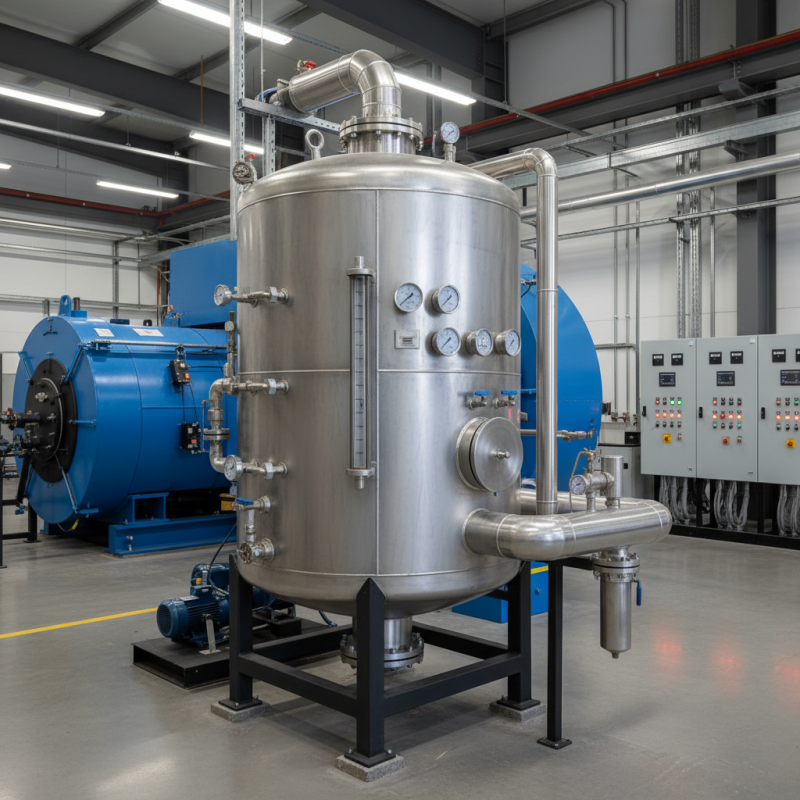
A boiler feed tank plays a crucial role in steam systems. It is essential for maintaining efficient boiler operation. The main purpose of the boiler feed tank is to store water. This water is necessary for producing steam in a boiler.
In many industrial setups, the boiler feed tank is often overlooked. However, its importance cannot be neglected. A well-maintained feed tank ensures that the boiler receives water at the correct pressure and temperature. This prevents issues like overheating or damage to the boiler components.
Regular maintenance of the boiler feed tank is key. Insufficient attention might lead to problems such as water contamination. So, it is vital to keep an eye on the tank's condition. By doing so, operations can run smoothly and safely. The health of the whole steam system relies on this often underestimated component.
What is a Boiler Feed Tank?
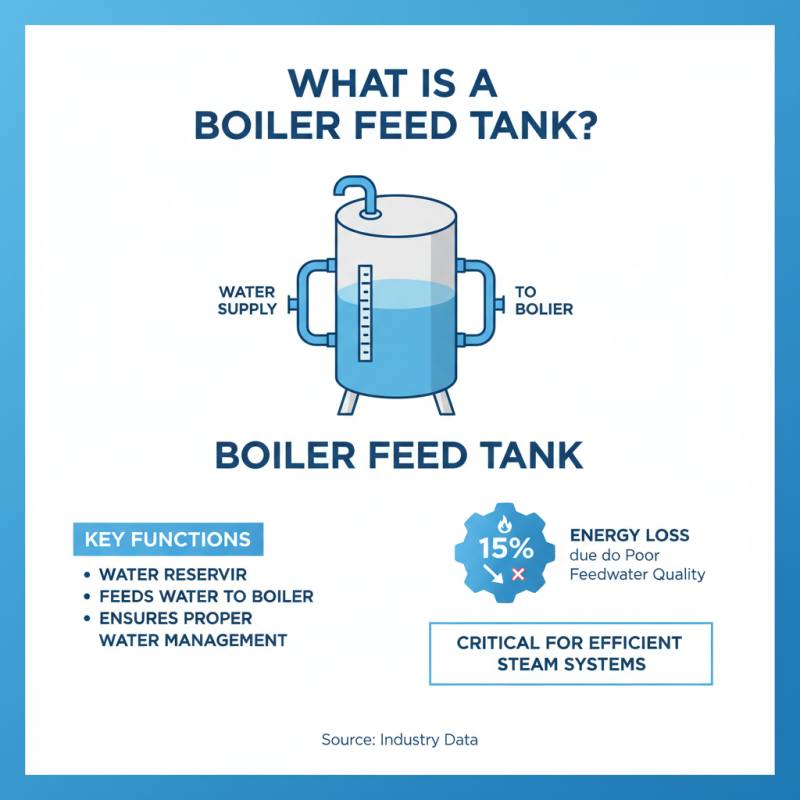
A boiler feed tank is a critical component in steam generation systems. It serves as a reservoir for water, which then feeds into the boiler. Proper water management is essential for optimal boiler operation. According to industry data, about 15% of energy losses in steam systems can be attributed to poor feedwater quality and inefficient management practices.
The design of a boiler feed tank can significantly impact efficiency. Ideally, it should minimize cooling of feedwater to conserve energy. Many facilities struggle with maintaining the appropriate level of water in their tanks. Insufficient water levels can lead to boiler malfunctions. On the other hand, excessive levels can result in overflows and water hammer effects.
Additionally, the material used in constructing the tank matters. Stainless steel tanks are often preferred for their durability and resistance to corrosion. However, some installations still use carbon steel, leading to potential issues over time. Addressing these factors can avoid performance hiccups and cut unnecessary costs. Regular maintenance and monitoring are essential for longevity and efficiency of the boiler feed tank.
The Functionality of a Boiler Feed Tank
A boiler feed tank plays a critical role in maintaining boiler efficiency. It serves as a reservoir for water that will be fed into the boiler. This water may contain impurities and needs proper treatment. The tank ensures the water is at the right temperature and pressure before entering the boiler. According to industry reports, proper feed water management can improve boiler efficiency by 15%.
The functionality of a boiler feed tank doesn't stop at just storing water. It also assists in heating the water, which reduces energy consumption. Unheated feed water can cause thermal shock to the boiler. The water from the feed tank is typically preheated, allowing for smoother operation. This kind of system can lead to significant cost savings. Studies suggest that optimized feed water treatment can reduce operational costs by up to 20%.
However, not all boiler feed tanks are created equal. Some may have inefficiencies due to outdated designs. Monitoring is essential. If levels drop too low, the boiler may shut down, leading to production losses. Addressing these issues can be challenging but necessary. A well-maintained feed tank can extend boiler lifespan and enhance performance.
Key Components of a Boiler Feed Tank
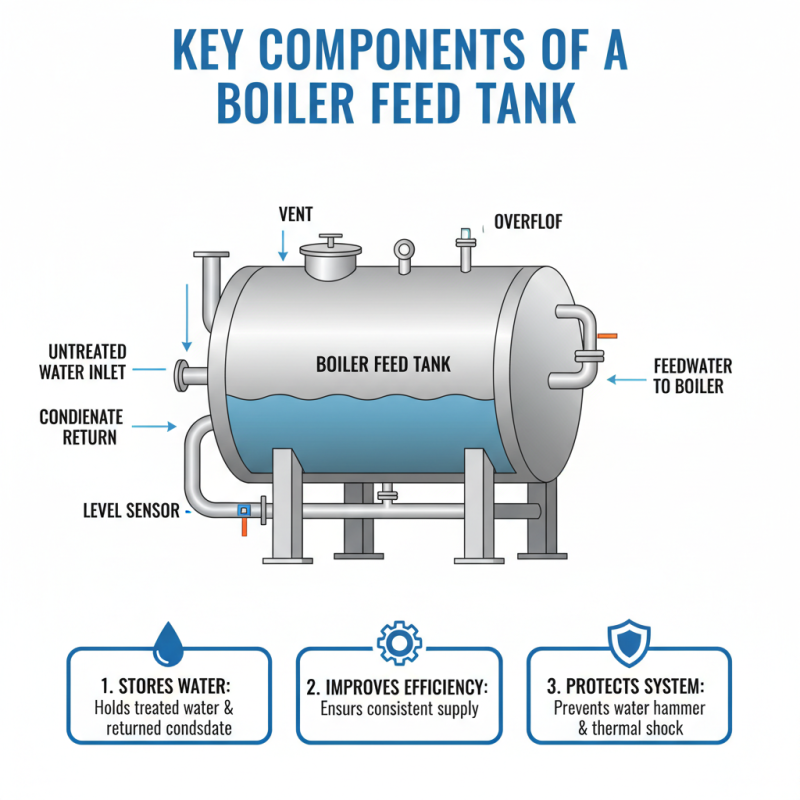
A boiler feed tank serves a crucial role in boiler systems. Its primary function is to store water before it's fed into the boiler. This tank not only improves efficiency but also ensures a consistent water supply. A well-designed tank helps prevent issues like water hammer and thermal shock.
Key components of a boiler feed tank include level sensors, pumps, and heat exchangers. Level sensors monitor water levels, ensuring optimum operation. Pumps are essential for transferring water to the boiler. Some reports indicate that improper pump operation can reduce efficiency by up to 30%. Heat exchangers maintain water temperature, preventing condensation issues. They also aid in returning condensate, maximizing water usage.
Managing these components effectively can be challenging. Issues such as sensor calibration often arise. Additionally, wear and tear on pumps can lead to unexpected downtime. Not all facilities have a maintenance plan in place. Regular checks are necessary to avoid costly failures. For instance, a simple oversight can result in a significant loss of energy efficiency, estimated at 20%.
Importance of Boiler Feed Tanks in Industrial Processes
Boiler feed tanks play a crucial role in industrial processes. They are used to store and condition water before it enters the boiler. The conditioning process often includes heating and de-aeration. This ensures that the water is free of impurities that could harm the boiler system.
Without a properly functioning feed tank, a boiler may face significant operational challenges. It can lead to water quality issues, resulting in boiler failure or damage. Inconsistent water levels in the tank can also affect the efficiency of steam generation. Some plants struggle with maintenance; they overlook regular checks of these tanks, which is concerning.
Moreover, feed tanks help stabilize the water supply. They mitigate fluctuations that cause stress within the boiler. However, many industries still do not prioritize their maintenance, which can reflect poor operational practices. Addressing these gaps is essential for long-term efficiency and safety in industrial operations.
What is a Boiler Feed Tank and Why is it Important?
| Dimension |
Description |
Importance |
| Capacity |
Typically ranges from a few hundred gallons to several thousand gallons, depending on system requirements. |
Ensures an adequate supply of water for the boiler, preventing system interruption. |
| Temperature |
Water is often pre-heated before entering the boiler. |
Increases boiler efficiency and reduces fuel consumption. |
| Water Quality |
Treated water is essential to prevent scale and corrosion. |
Maintains longevity of the boiler and reduces maintenance costs. |
| Level Control |
Includes mechanisms to maintain proper water levels in the tank. |
Prevents overheating and damage to the boiler. |
| Safety Features |
Often equipped with pressure relief valves and alarms. |
Enhances operator safety and prevents catastrophic failures. |
Maintenance and Operational Best Practices for Boiler Feed Tanks
A boiler feed tank plays a critical role in steam generation systems. Regular maintenance is essential to ensure optimal functioning. Checking water levels daily can prevent issues related to insufficient feed water. Monitoring temperature and pressure also helps in identifying problems before they escalate.
Cleaning the tank periodically is crucial. Residue buildup can affect water quality and lead to equipment damage. Inspecting for leaks and ensuring proper seals can save money over time. It’s important to keep records of maintenance activities. This data can highlight trends and indicate when issues arise.
Training staff on operational best practices is beneficial. They must understand the tank's function and the consequences of neglect. Regular training sessions can reinforce the importance of vigilance. Sometimes, overlooked details lead to costly repairs. Encourage open communication to address concerns. This could prevent small issues from becoming significant failures.
Boiler Feed Tank Efficiency Measurements
This chart displays the water level and pH level of a boiler feed tank over the first six months of the year. Maintaining the optimal water level and pH is critical for the efficient operation of the boiler system.