2026 Top Propane Pump Types What You Need to Know?
As the demand for clean energy sources rises, propane pumps play a crucial role in various industries. In 2021, the global propane market was valued at over $120 billion, with a growth rate projected at 5.2% per year until 2028. This places propane pumps at the center of a transforming energy landscape. These devices not only facilitate efficient fuel transfer but also contribute to sustainable practices in sectors from agriculture to transportation.
Understanding the different types of propane pumps is essential. Each type has distinct features that can impact performance, safety, and efficiency. Some pumps are designed for specific applications, while others can offer versatile solutions. However, choosing the right propane pump can be overwhelming. Industry reports indicate that users often overlook vital specifications, leading to suboptimal performance. Additionally, operational issues are frequently reported due to poor selection.
Given the increasing complexity of propane operations, knowledge is key. Users need to reflect on their unique requirements before making a decision. The right propane pump not only improves efficiency but also enhances safety measures. However, it's important to remember that no single solution fits all challenges. Being informed ultimately leads to better choices in propane usage.
Overview of Propane Pumps and Their Uses
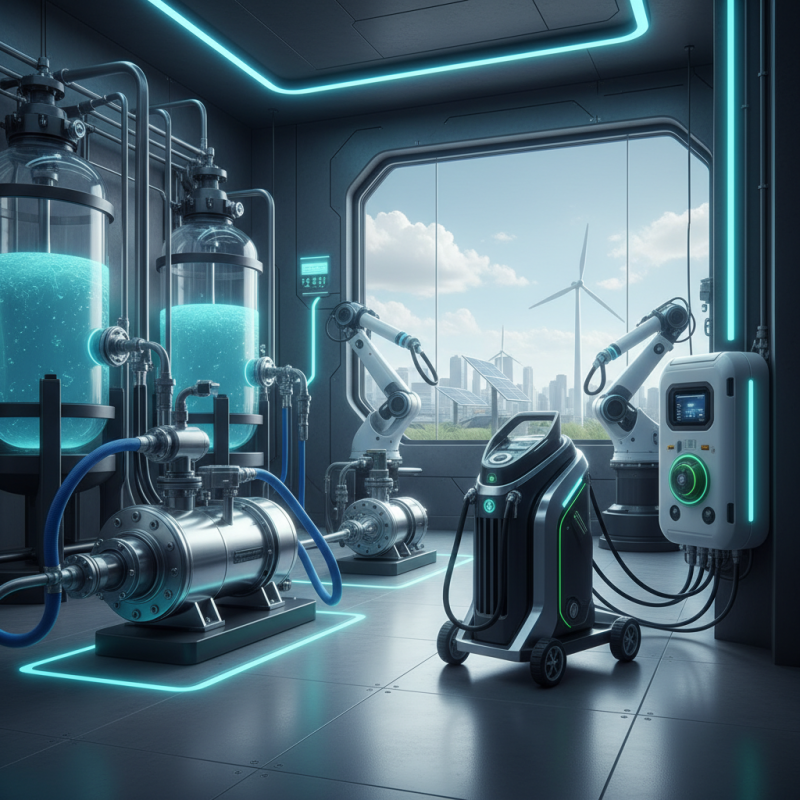
Propane pumps are essential tools in many industries. They are widely used for transferring propane safely and efficiently. Understanding the various types of propane pumps can help users choose the right one for their needs. Commonly, these pumps operate via electric or manual systems, with unique advantages for different applications.
Electric propane pumps are often favored for their efficiency. They deliver fuel quickly and with less effort. However, they require a reliable power source. On the other hand, manual pumps can be easier to use in remote locations. They don’t rely on electricity, which can be beneficial but may require more physical effort.
Using propane pumps also involves some challenges. Maintenance is crucial to ensure safety and performance. Neglecting regular checks can lead to leaks or malfunctions. Users must remain vigilant, as small issues can escalate quickly. Understanding the operational limits of each pump type can prevent misuse and enhance safety measures during fueling operations.
Types of Propane Pumps Available in 2026
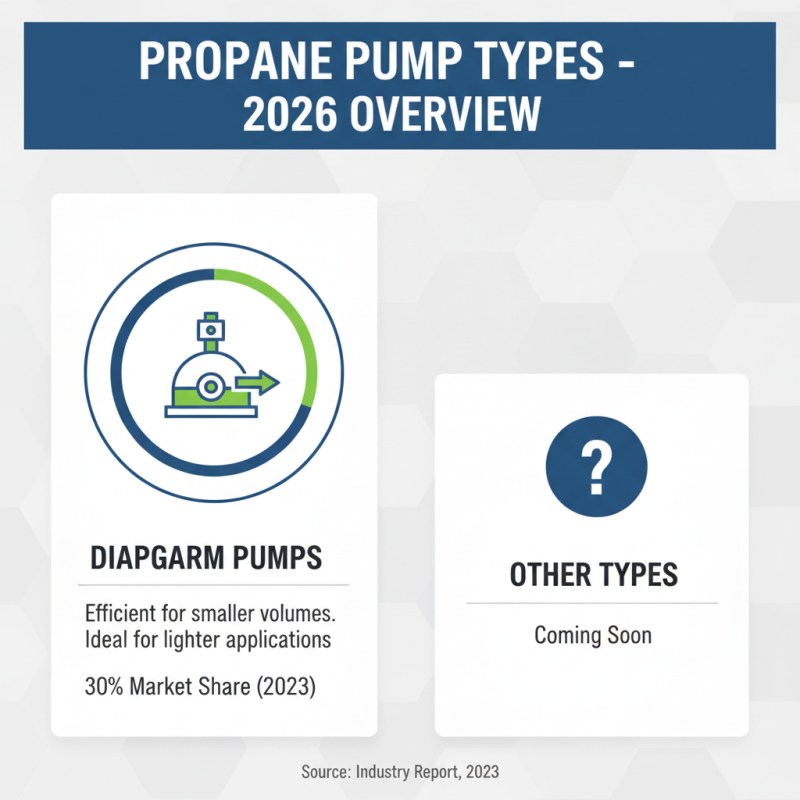
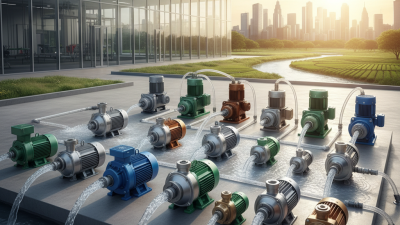
In 2026, the propane pump market presents various types, each suited for different applications. The most common type includes diaphragm pumps, known for their efficiency in lighter applications. These pumps excel in transferring propane in smaller volumes. A recent industry report shows that diaphragm pumps accounted for nearly 30% of market share in 2023.
Another notable type is the rotary vane pump. This pump design is favored in industrial settings for high-volume transfers. It ensures steady flow, even under high pressure. Industry analysts forecast a growth of over 20% by 2026 for rotary vane systems. Yet, users must note that these pumps require regular maintenance. Overlooking this can result in suboptimal performance.
Lastly, submersible pumps are gaining traction, especially in remote areas. They operate well underwater, making them ideal for specific installations. Despite their benefits, they can present challenges in serviceability. Reports indicate a rising trend in complaints related to accessibility for repairs. Understanding the unique strengths and weaknesses of each type is essential for making informed decisions.
Key Features to Consider When Choosing a Propane Pump
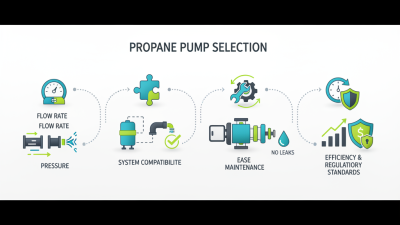
When choosing a propane pump, several key features should guide your decision. Look for the pump's flow rate. This determines how quickly you can dispense propane. A higher flow rate saves time but could come with a higher price tag.
Size is another factor. Compact models take up less space but may not be as powerful. Consider your specific needs. If you only need it occasionally, a smaller one may suffice. For heavy-duty work, larger pumps can handle more volume. Build quality matters too. Choose materials that resist wear and tear. Don't overlook noise levels; some pumps are notably quieter than others.
**Tips:** Always read user reviews. They offer insights others have missed. Try to find a balance between price and quality. A cheap pump may cost more in the long run. Think about maintenance. Certain pumps might require more upkeep than others. In the end, reflect on your long-term needs before making a decision.
2026 Top Propane Pump Types - Key Features to Consider When Choosing a Propane Pump
| Pump Type |
Flow Rate (GPM) |
Pressure (PSI) |
Power Source |
Portability |
Key Feature |
| Diaphragm Pump |
5-10 |
50-100 |
Electric |
Moderate |
Self-priming |
| Gear Pump |
10-20 |
100-150 |
Diesel |
Stationary |
High efficiency |
| Vane Pump |
15-25 |
75-125 |
Electric |
Portable |
Low noise |
| Piston Pump |
20-30 |
150-200 |
Electric or Gas |
Stationary |
Robust design |
| Centrifugal Pump |
30-50 |
30-60 |
Electric |
Stationary |
Easy maintenance |
Maintenance Tips for Longevity of Propane Pumps
When it comes to propane pumps, maintenance is crucial for their longevity. Regular checks can prevent costly replacements. Inspect your pump for leaks and wear at least once a month. This simple habit helps in early detection of issues.
Here are some tips. Clean the pump regularly. Dirt and debris can lead to inefficiencies. Use a gentle cloth to wipe surfaces. Ensure connections are tight but not overly tightened. This balance can prevent damage over time.
Don’t forget about the filters. Clogged filters can restrict flow and damage the pump. Change them based on usage and conditions. If you notice strange noises, investigate promptly. Ignoring these signs can lead to bigger problems. A little attention goes a long way.
2026 Top Propane Pump Types and Maintenance Tips
The following chart represents the efficiency and maintenance frequency of various propane pump types. Proper maintenance can lead to longevity and optimum performance of these pumps.
Safety Guidelines for Operating Propane Pumps
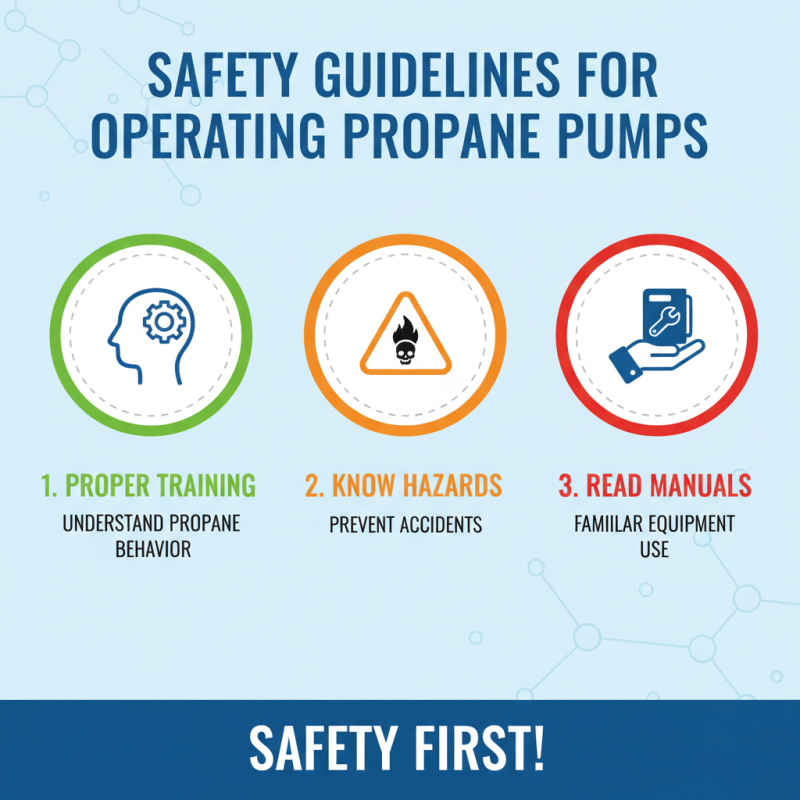
When operating propane pumps, safety should always come first. Proper training is essential. Anyone using these pumps must understand how propane behaves. It is a colorless gas that can be dangerous. Knowledge of the hazards can prevent accidents. Make sure to read manuals thoroughly. Familiarity with the equipment is crucial for safe operation.
Another safety guideline involves regular maintenance checks. Inspect hoses and connections for leaks. Even small leaks can pose significant risks. If you smell gas, turn off the pump immediately. Ventilate the area well. Use proper personal protective equipment, like gloves and goggles. Keeping a fire extinguisher nearby is a wise decision too.
Follow all safety protocols diligently. Track your safety routine and reflect on any potential oversights. Life can get busy, and it’s easy to overlook details. Double-check everything. Remember, safety is not just a task; it’s a habit that needs constant attention.